
Thank You for 2025 — Welcome to 2026

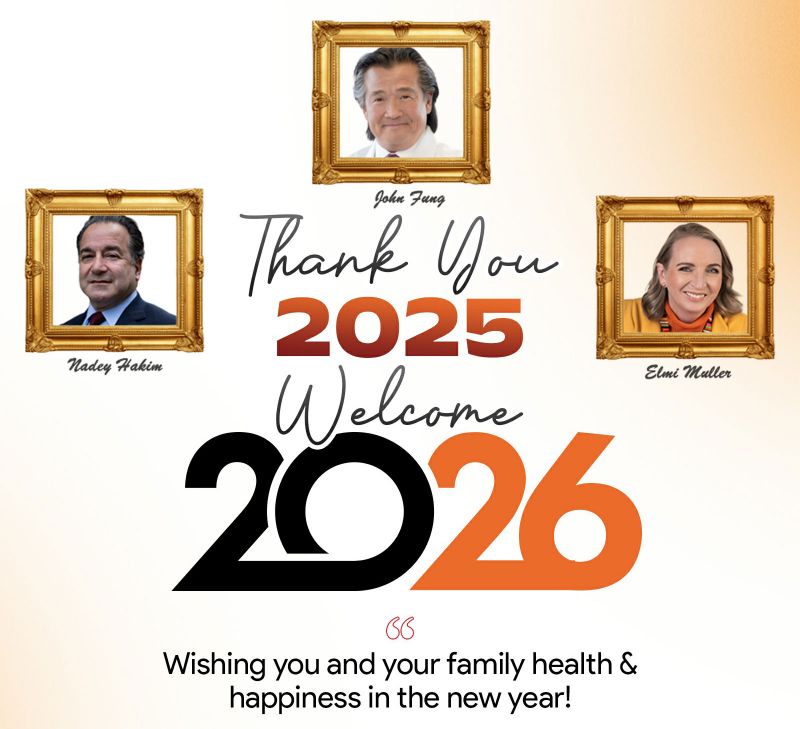
On behalf of the Council of The Transplantation Society, we extend our sincere thanks as we close the chapter on 2025 and welcome the year ahead.

We are grateful for the dedication, friendship, and collaboration you brought to our community throughout the past year. As we look to 2026, we wish you and your loved ones good health, prosperity, and renewed hope.

Together, through our shared commitment and sense of community, we continue to advance transplantation worldwide. We look forward to all that we will accomplish in the year ahead.


Just Released - Transplantation Journal - January 2026
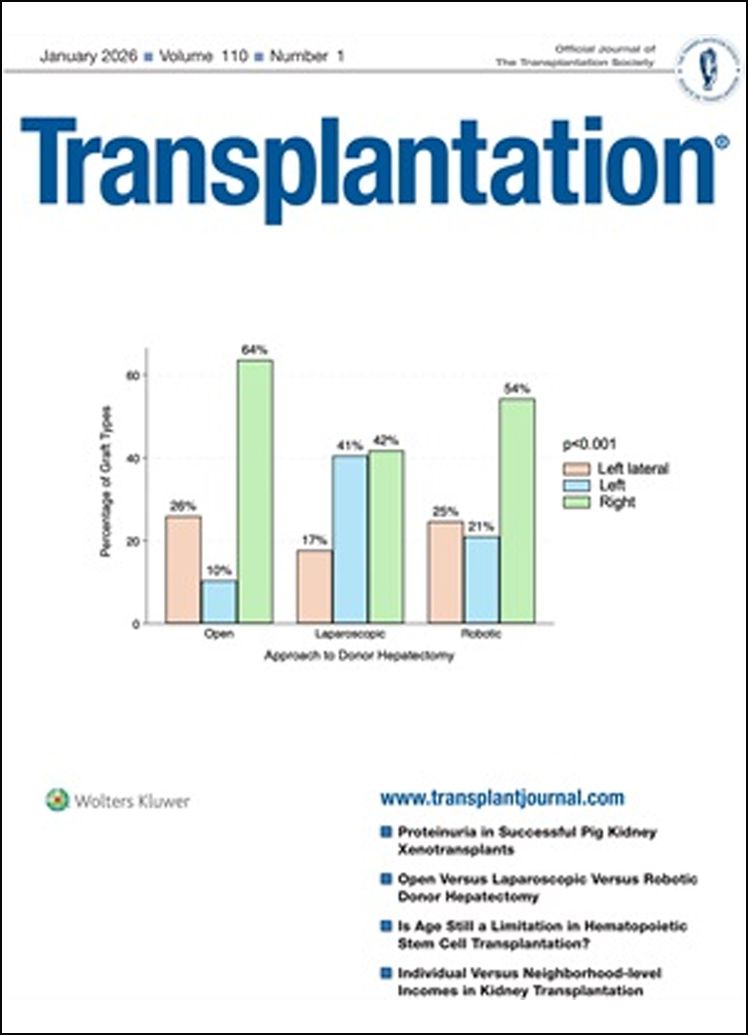
Welcome to the January 2026 issue of Transplantation, and to a new year that begins with remarkable momentum across our field.

Xenotransplantation continues to move decisively toward clinical implementation, with FDA-authorized clinical trials now on the horizon. In this issue, we feature a large-animal study that examines proteinuria in kidney xenotransplantation—an ongoing challenge not only from a metabolic standpoint, but also for its potential implications for immunosuppression when key therapeutic targets may be lost.

Continuing on this theme, an authoritative review contrasts inflammatory responses in allo- versus xenografts, delineating the complex and interdependent relationships among inflammation, coagulation dysregulation, and innate and adaptive immune pathways.

We are also pleased to present the first global, prospective, multicenter analysis comparing surgical approaches for living donor liver transplantation. Drawing on the International LDLT Registry, this report demonstrates the advantages of robotic techniques over laparoscopic and open approaches, providing timely evidence that can help inform clinical practice, shape evolving guidelines, and advance donor safety worldwide.

As the number of older adults benefiting from allogeneic hematopoietic stem cell transplantation (allo-HSCT) continues to rise, defining appropriate selection criteria becomes increasingly important. A contribution in this issue reinforces a key principle: advanced age alone should not serve as an exclusion criterion. With thoughtful patient selection and optimized transplant strategies, allo-HSCT can be both safe and effective in carefully selected elderly patients.

Finally, persistent socioeconomic disparities in transplant outcomes are examined through an innovative linkage of Organ Procurement and Transplantation Network data with estimated individual household income derived from the American Community Survey. This analysis shows that lower individual income is associated with a higher risk of all-cause graft failure—an important reminder that improving outcomes also requires confronting inequities in access, resources, and longitudinal support.

These papers, along with many others addressing pressing scientific, clinical, and societal questions, comprise the January 2026 issue of Transplantation. We hope you enjoy the issue, and we wish you a productive and rewarding year ahead.

CLICK HERE TO ACCESS THIS ISSUE

Behind the Paper with Robson Gilmour and Mekhola Hoff

Our Social Media Editor, Macey Levan, discusses the recent publication in Transplantation journal "Beyond Feasibility: Critical Steps Toward Drone-based Organ Transport"

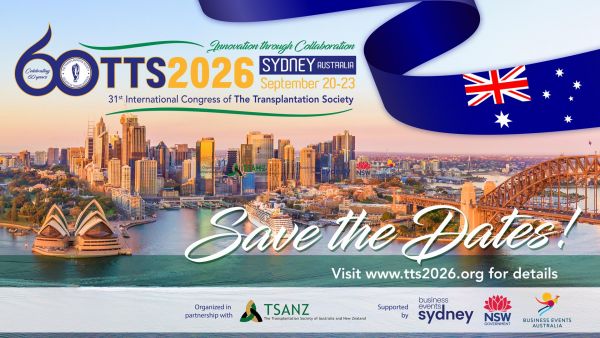
Mark your Calendars for TTS 2026

From September 20–23, 2026, the global transplant community will gather in Sydney, Australia for an extraordinary scientific meeting presented in partnership with the Transplantation Society of Australia and New Zealand (TSANZ). With more than 3,500 participants expected, TTS 2026 will showcase cutting-edge research, dynamic sessions, and world-leading experts advancing the science and improving patient lives worldwide.

Abstract submissions open by January 15, offering researchers and clinicians the opportunity to share their latest work with a truly global audience.


Transplantation Journal Highlights

Transplantation Journal - Social Media Content
Insights From Refusal Patterns for Deceased Donor Kidney Offers
The likelihood that a deceased donor kidney will be used evolves during the allocation process. Transplant centers can either decline an organ offer for a single patient or for multiple patients at the same time. We hypothesize that refusals for a single patient indicate issues with individual patients, whereas simultaneous refusals for multiple patients indicate issues with organ quality.
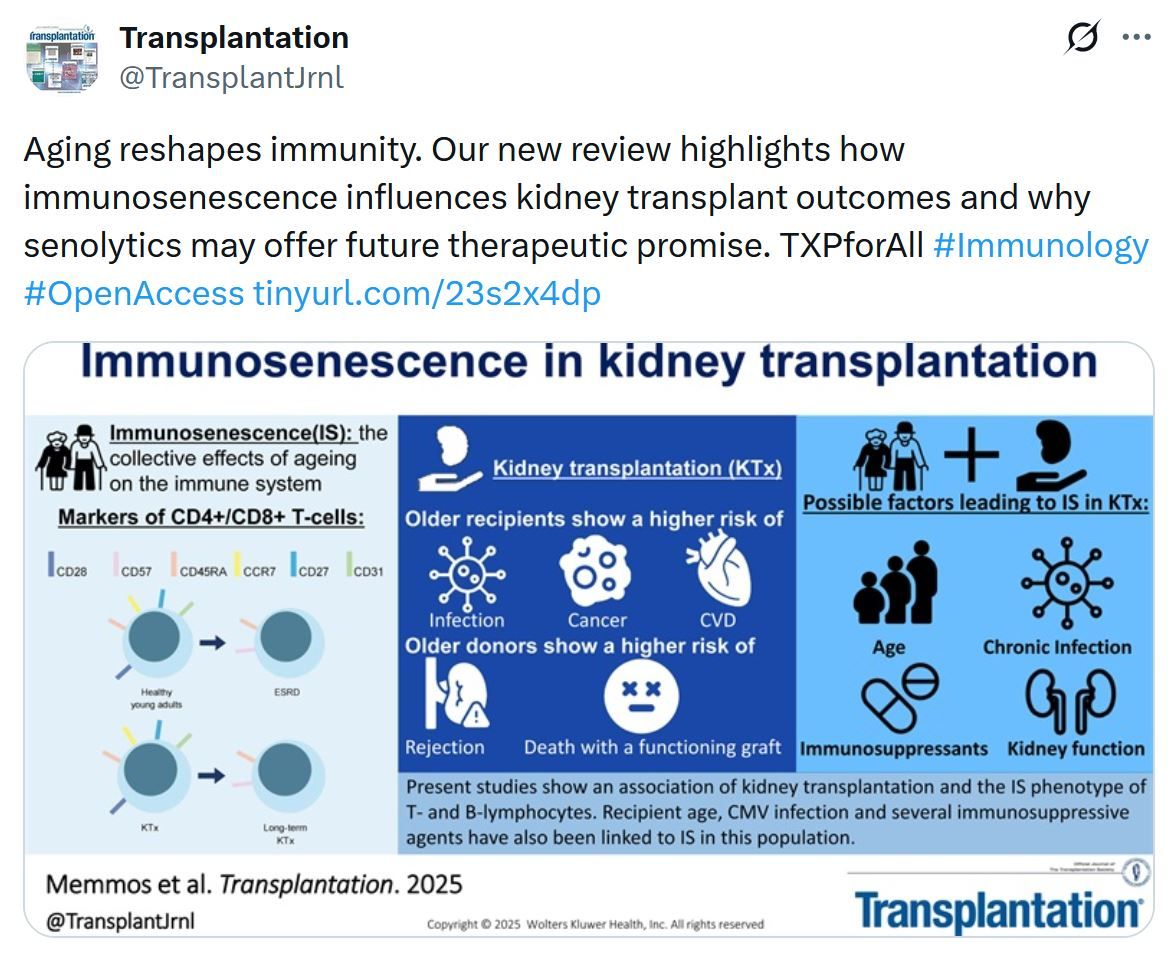
Immunosenescence in Kidney Transplant Recipients
The term immunosenescence refers to the collective effects of aging on the immune system, which involves both the innate and the adaptive immunity and plays a dominant role in patients’ morbidity and mortality. Senescent T lymphocytes are in a state of replicative arrest and have several unique features: they typically lack costimulatory molecules, they express shortened telomeres, and they have the capacity to produce large amounts of proinflammatory cytokines. The B-lymphocyte compartment and the cells of the innate immune system also demonstrate important changes due to aging.

Transplantation Direct - Social Media Content
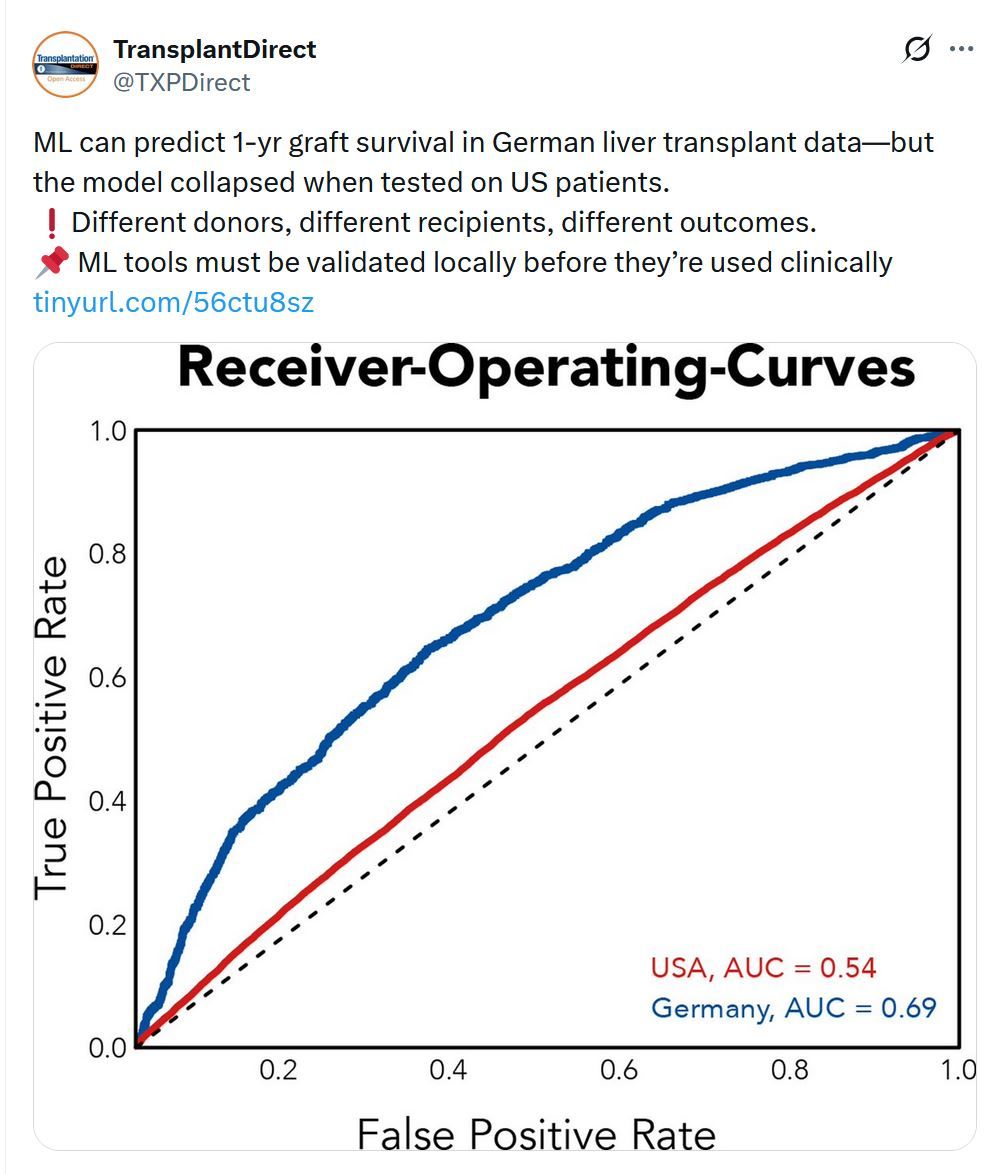
Predicting 1-year Graft Survival in Liver Transplantation: A Machine Learning Study Using Registry Data From Germany and the United States
Liver transplantation is a life-saving procedure, but predicting posttransplant outcomes remains challenging due to the complexity of preoperative data. Traditional models often fail to capture multidimensional risk factors, which may be better integrated through machine learning (ML). This study aimed to develop and evaluate ML models using preoperative data from national transplant registries in Germany and the United States.
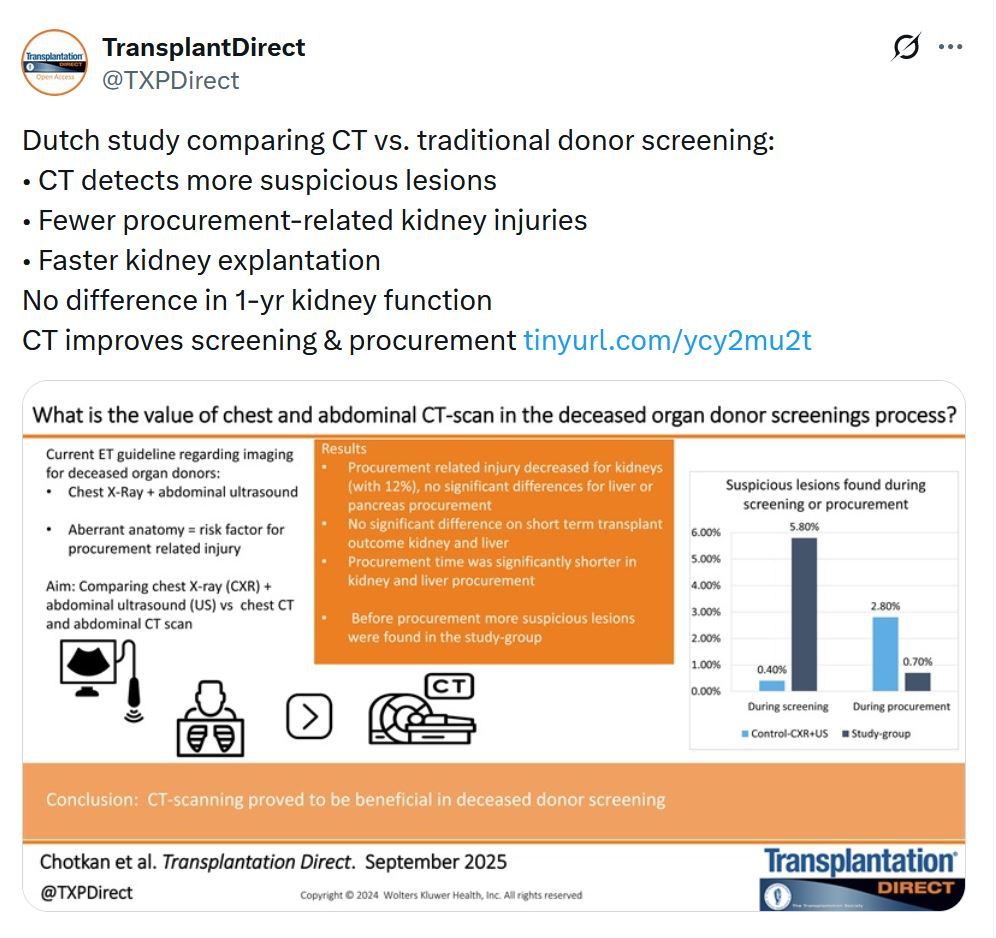
The Value of Chest and Abdominal CT Scans in Deceased Organ Donor Screening: A Prospective Nationwide Cohort Study
Standard computed tomography (CT) scanning in deceased organ donor screening may offer advantages over conventional chest radiograph and abdominal ultrasound.

Member Spotlight

In this recent interview, Dr. Lori West reflects on the real impact of her work—the patients. One of the most touching moments comes when she is surprised by former patients in a café, a powerful reminder that behind every medical breakthrough are lives changed, families reunited, and stories still unfolding. It’s a fitting way to close out the year: with hope, promise, and a heartfelt glimpse of how science, compassion, and human connection come together in transplantation.

In the News


Social

Contact

Staff Directory
+1-514-874-1717
info@tts.org

Address

The Transplantation Society
International Headquarters
740 Notre-Dame Ouest
Suite 1245
Montréal, QC, H3C 3X6
Canada

Используйте Вавада казино для игры с бонусом — активируйте промокод и начните выигрывать уже сегодня!