

Happy Holidays!

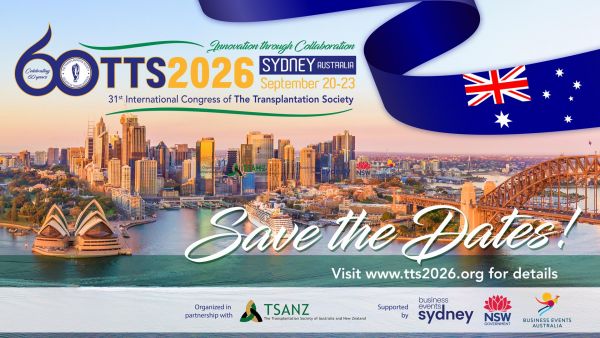
Mark your Calendars for TTS 2026

Transplantation Journal Highlights

Transplantation Journal - Social Media Content
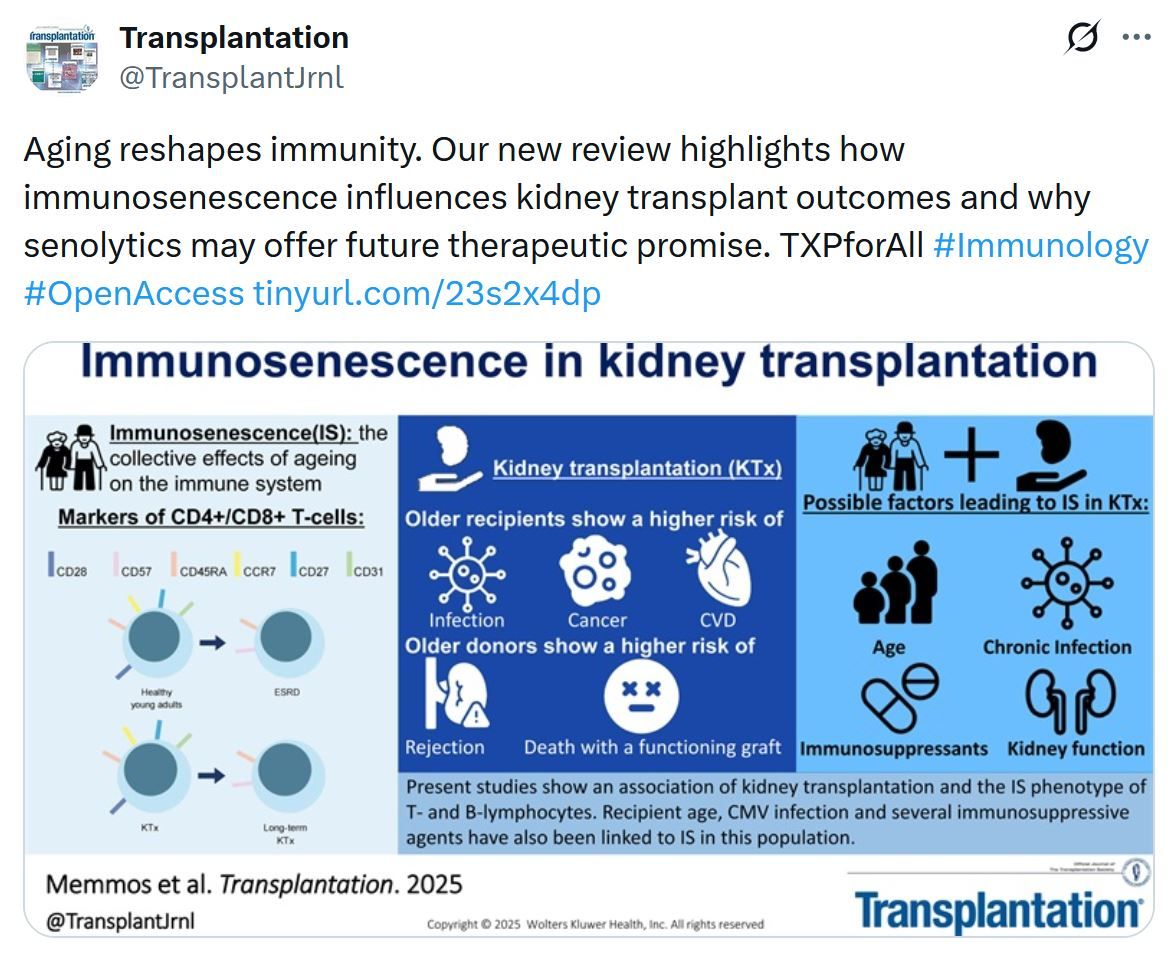
Immunosenescence in Kidney Transplant Recipients
The term immunosenescence refers to the collective effects of aging on the immune system, which involves both the innate and the adaptive immunity and plays a dominant role in patients’ morbidity and mortality. Senescent T lymphocytes are in a state of replicative arrest and have several unique features: they typically lack costimulatory molecules, they express shortened telomeres, and they have the capacity to produce large amounts of proinflammatory cytokines. The B-lymphocyte compartment and the cells of the innate immune system also demonstrate important changes due to aging.
Transplantation Direct - Social Media Content
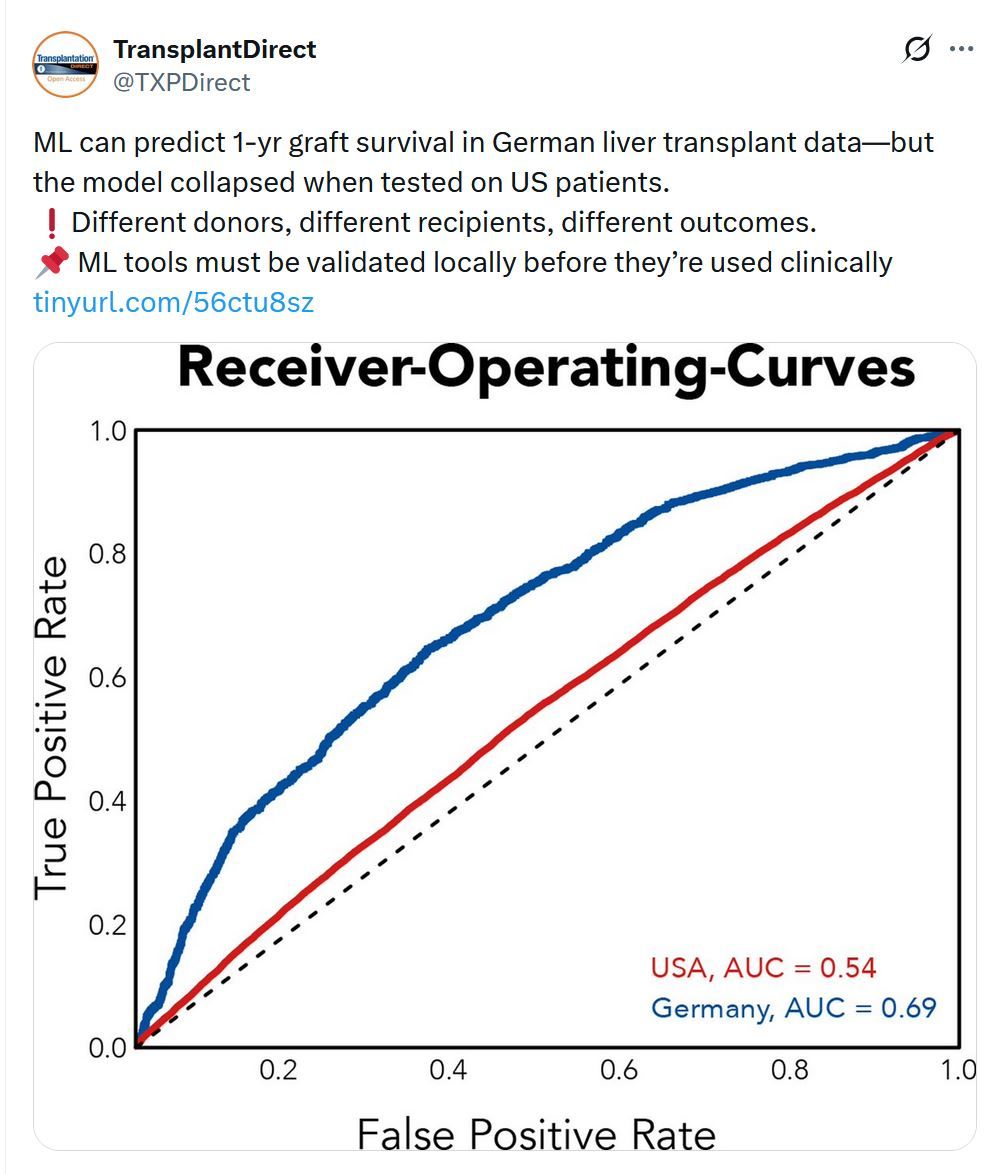
Predicting 1-year Graft Survival in Liver Transplantation: A Machine Learning Study Using Registry Data From Germany and the United States
Liver transplantation is a life-saving procedure, but predicting posttransplant outcomes remains challenging due to the complexity of preoperative data. Traditional models often fail to capture multidimensional risk factors, which may be better integrated through machine learning (ML). This study aimed to develop and evaluate ML models using preoperative data from national transplant registries in Germany and the United States.
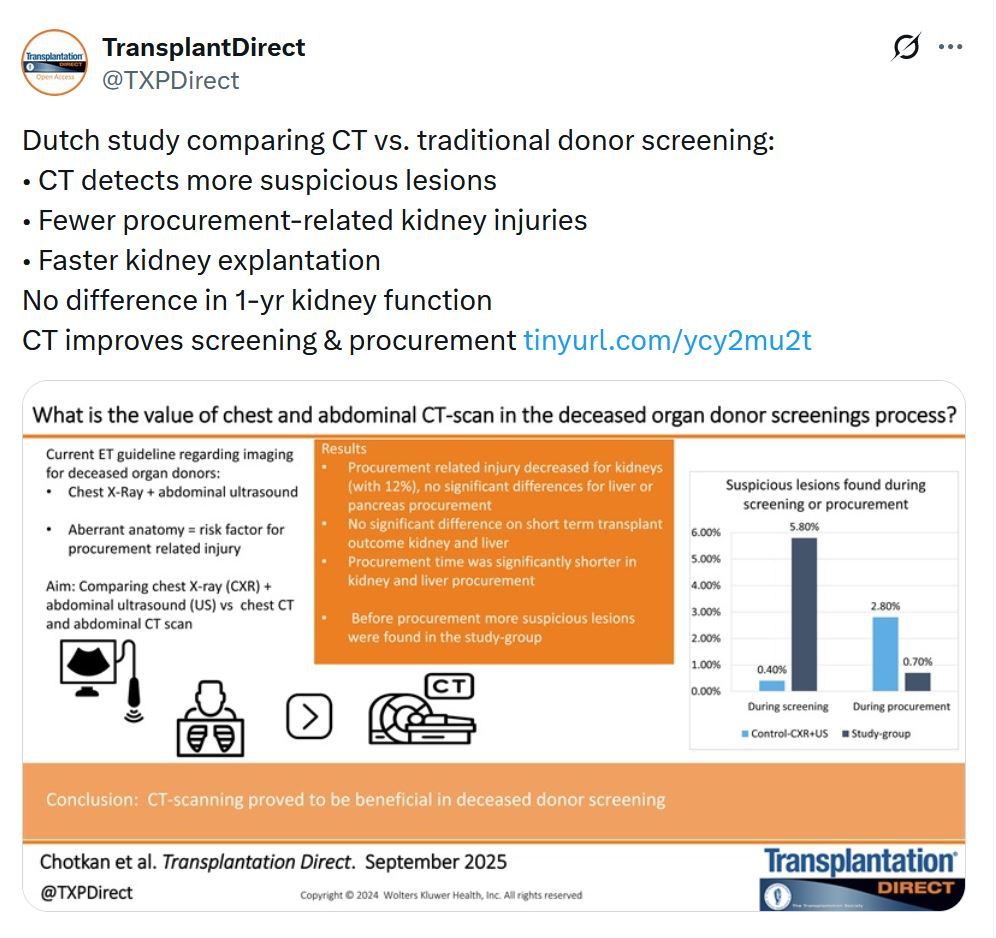
The Value of Chest and Abdominal CT Scans in Deceased Organ Donor Screening: A Prospective Nationwide Cohort Study
Standard computed tomography (CT) scanning in deceased organ donor screening may offer advantages over conventional chest radiograph and abdominal ultrasound.
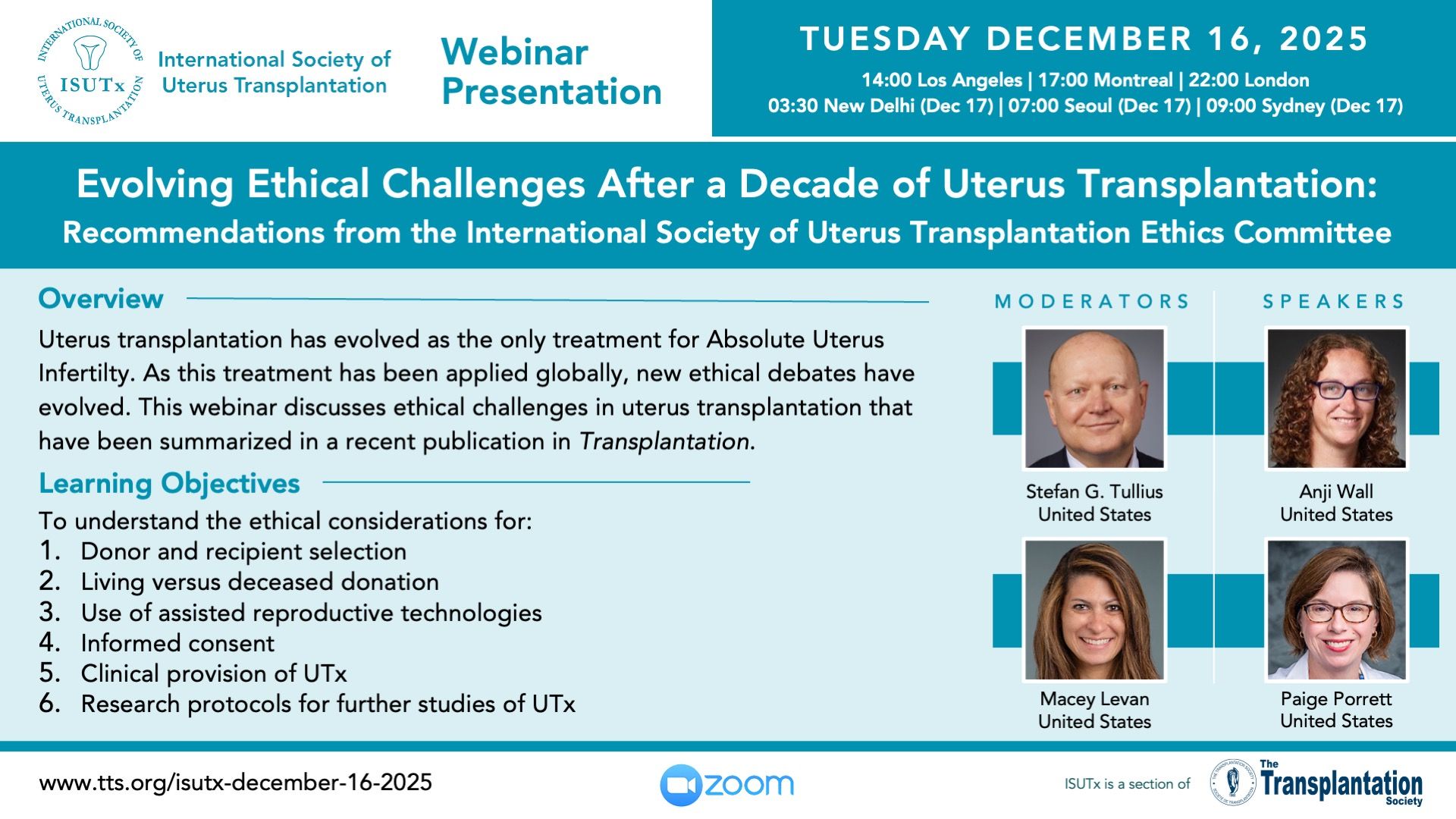
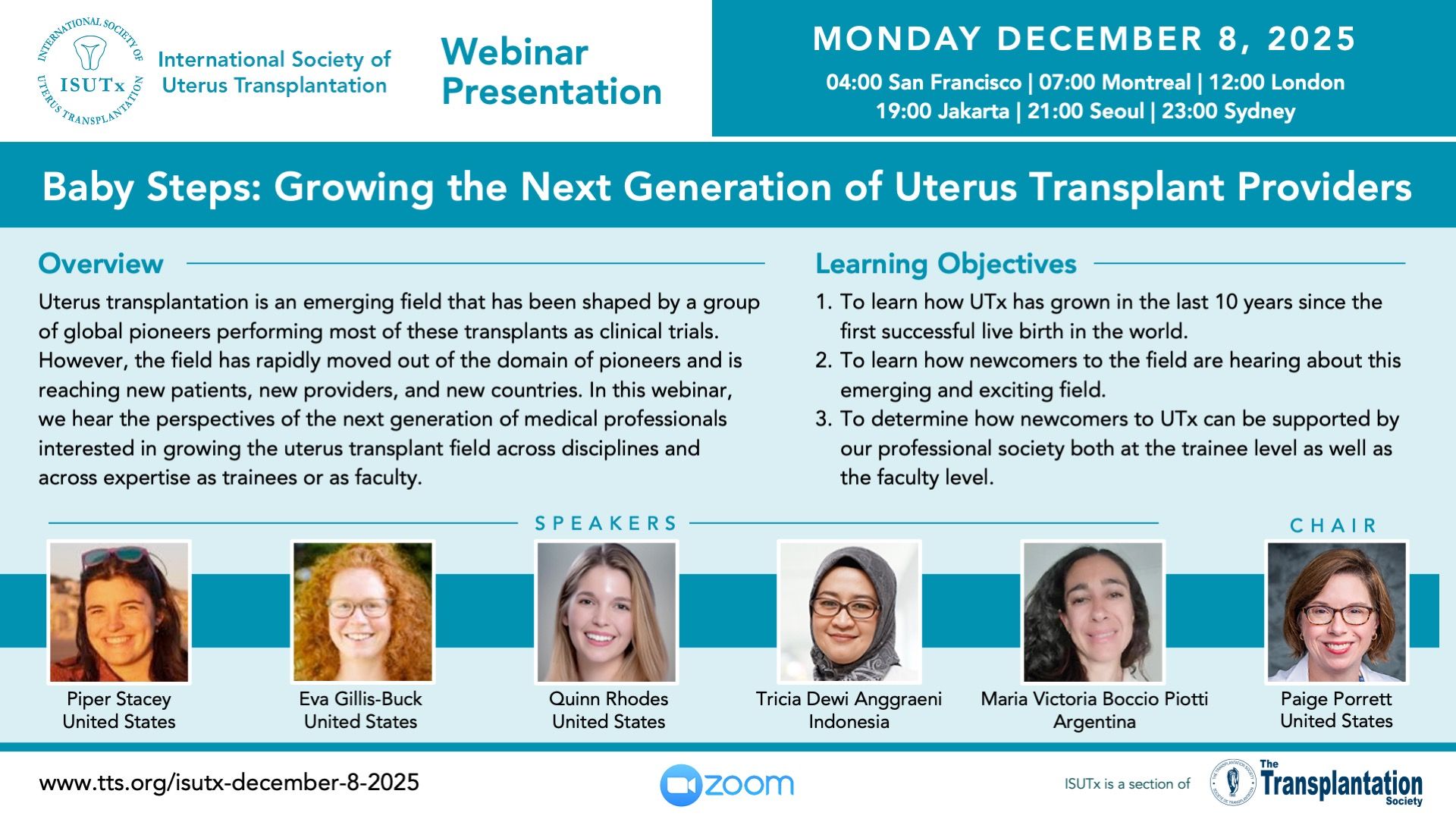

Member Spotlight
In this recent interview, Dr. Lori West reflects on the real impact of her work—the patients. One of the most touching moments comes when she is surprised by former patients in a café, a powerful reminder that behind every medical breakthrough are lives changed, families reunited, and stories still unfolding. It’s a fitting way to close out the year: with hope, promise, and a heartfelt glimpse of how science, compassion, and human connection come together in transplantation.
Contact
Address
The Transplantation Society
International Headquarters
740 Notre-Dame Ouest
Suite 1245
Montréal, QC, H3C 3X6
Canada
Используйте Вавада казино для игры с бонусом — активируйте промокод и начните выигрывать уже сегодня!