
TTS Participation at CAST 2025: Report from the Allied Health Sessions
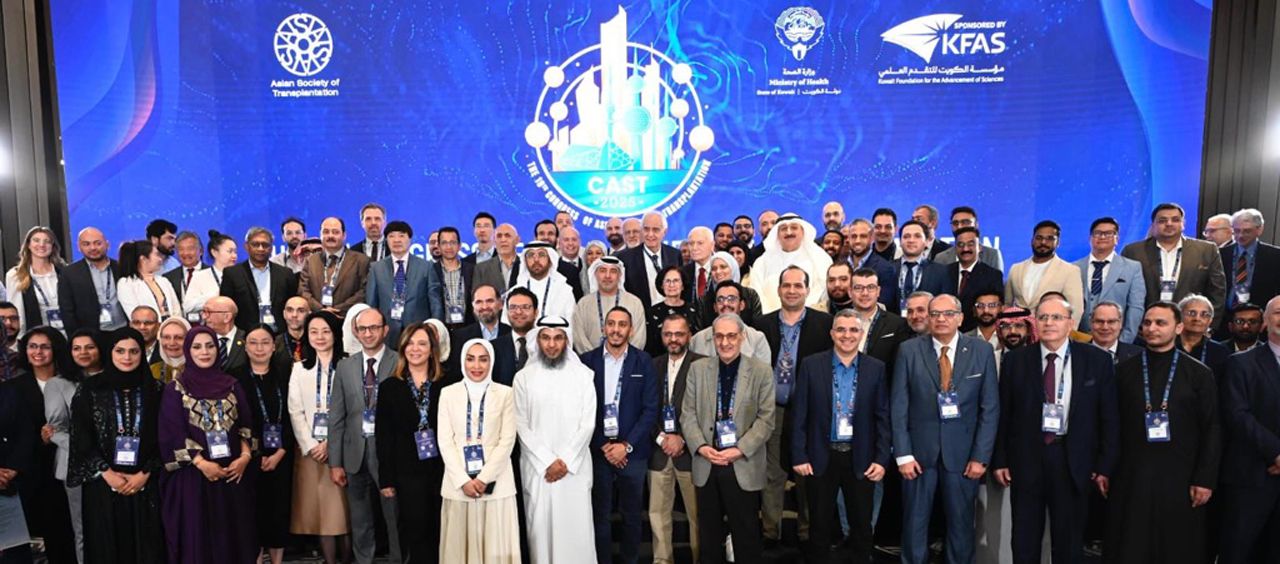
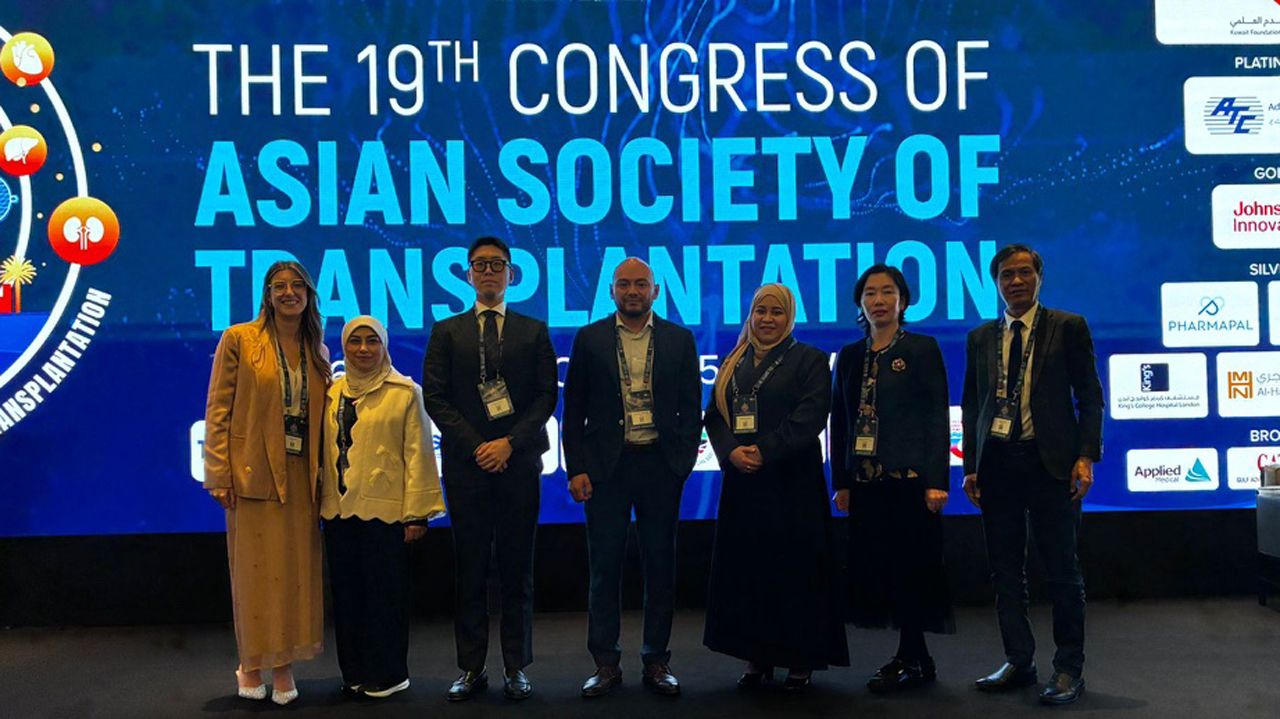
TTS was represented at the CAST 2025 Congress by Ilaria Zardo and Estephan Arredondo, who participated in two dedicated Allied Health Professional (AHP) sessions. These sessions highlighted the ongoing work of the TTS Allied Health Committee and provided opportunities to engage with AHP colleagues from multiple regions.

Session 1: Overview of Key Roles and Interprofessional Collaboration at the International Level

The first session introduced the key roles of AHPs and emphasized interprofessional collaboration at a global level.

  • Estephan Arredondo presented the mission, current projects, and engagement opportunities within the TTS Allied Health Committee, encouraging greater participation from the international AHP community.
  • Ilaria Zardo (Italy) presented an overview of AHP roles in Italy, which served as a reference point for subsequent talks from Kuwait and Iran.

Session 2: Allied Health Professionals – Challenges

The second session focused on challenges faced by AHPs across different regions.

  • Estephan Arredondo again introduced the TTS Allied Health Committee, highlighting common challenges identified during committee discussions and encouraging participants to become involved and help disseminate TTS content.
  • Ilaria Zardo presented examples of good practices implemented in Italy, which prompted active discussion among participants.

Additional presentations from Mongolia, Korea, Vietnam, and Kuwait contributed to a rich exchange of experiences and perspectives.

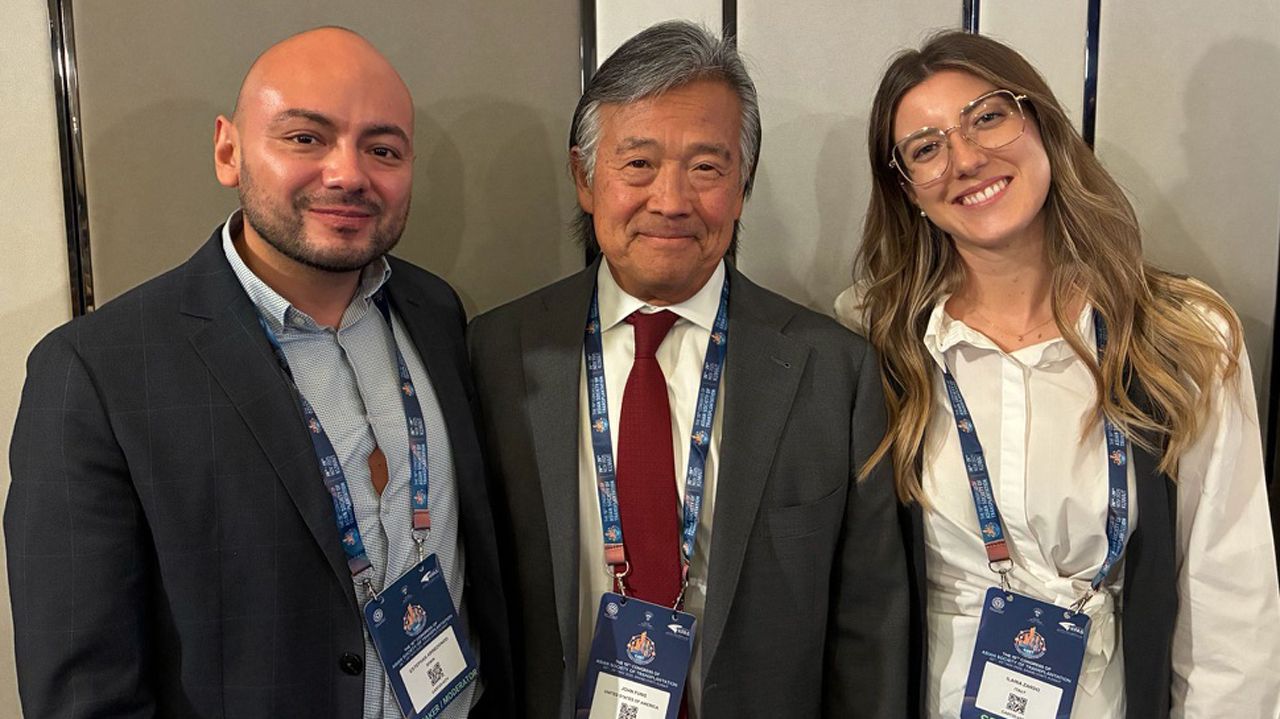
(from left to right) TTS AHP Committee Chair, Estephan Arredondo; TTS President, John J. Fung; and, AHP Committee Member, Ilaria Zardo

Women in Transplantation Research Grants - Applications Now Open

Dr. Germaine Wong

WIT Chair | TTS Councilor
Request for Applications Now Open! Submission Deadline: April 1, 2026

On behalf of the entire Women in Transplantation Executive, I’m very excited to announce WIT funding opportunities for 2026. This will be the sixth year that we are offering research fellowships in sex and gender in solid organ transplantation.

These fellowships will support the next generation of scientists, furthering our understanding of the importance of sex and gender in transplantation. This is a growing field of interest and the more we learn the closer we are to applying these findings to clinical care to benefit patients and donors.

Read More

We are delighted to announce that we will continue to offer a grant to faculty working in low or middle income countries. This grant will allow transplant professionals working in low and middle income countries to work with an experienced mentor from among the WIT membership to address an important question within their own unique context. We hope that this award will spur exciting international collaborations and build more research capacity in lower resource settings.

For the second year, we are delighted to announce that we will run the WIT Research Grant for Projects in Gender and Sex and SOT amongst Indigenous Populations.

quests for Applications for all grants are now open and are being considered. Please note that we will accept only one mentee application per mentor, and only one application from any single administering institution (defined either by the hospital network or the university or academic institution. This will apply across all grants

If you have any further questions and for information on how to apply, please contact Katie Tait (WIT Manager) at katie.tait@tts.org to request more information.

We welcome all applications and look forward to an exciting competition!


Just Released - Transplantation Journal - December 2025
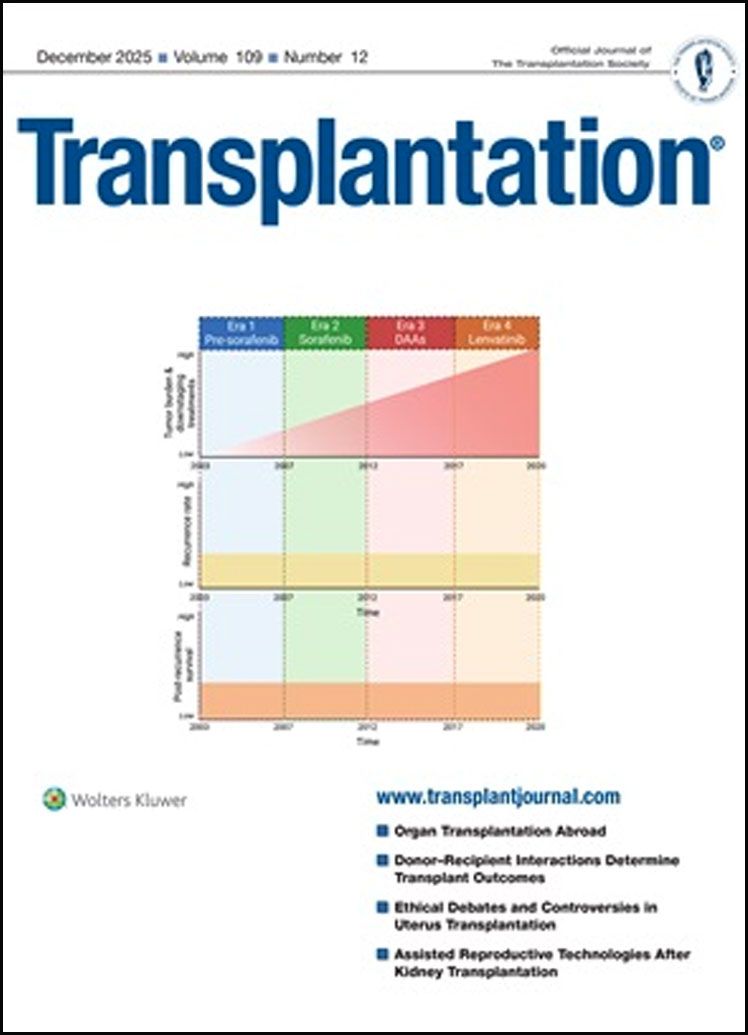
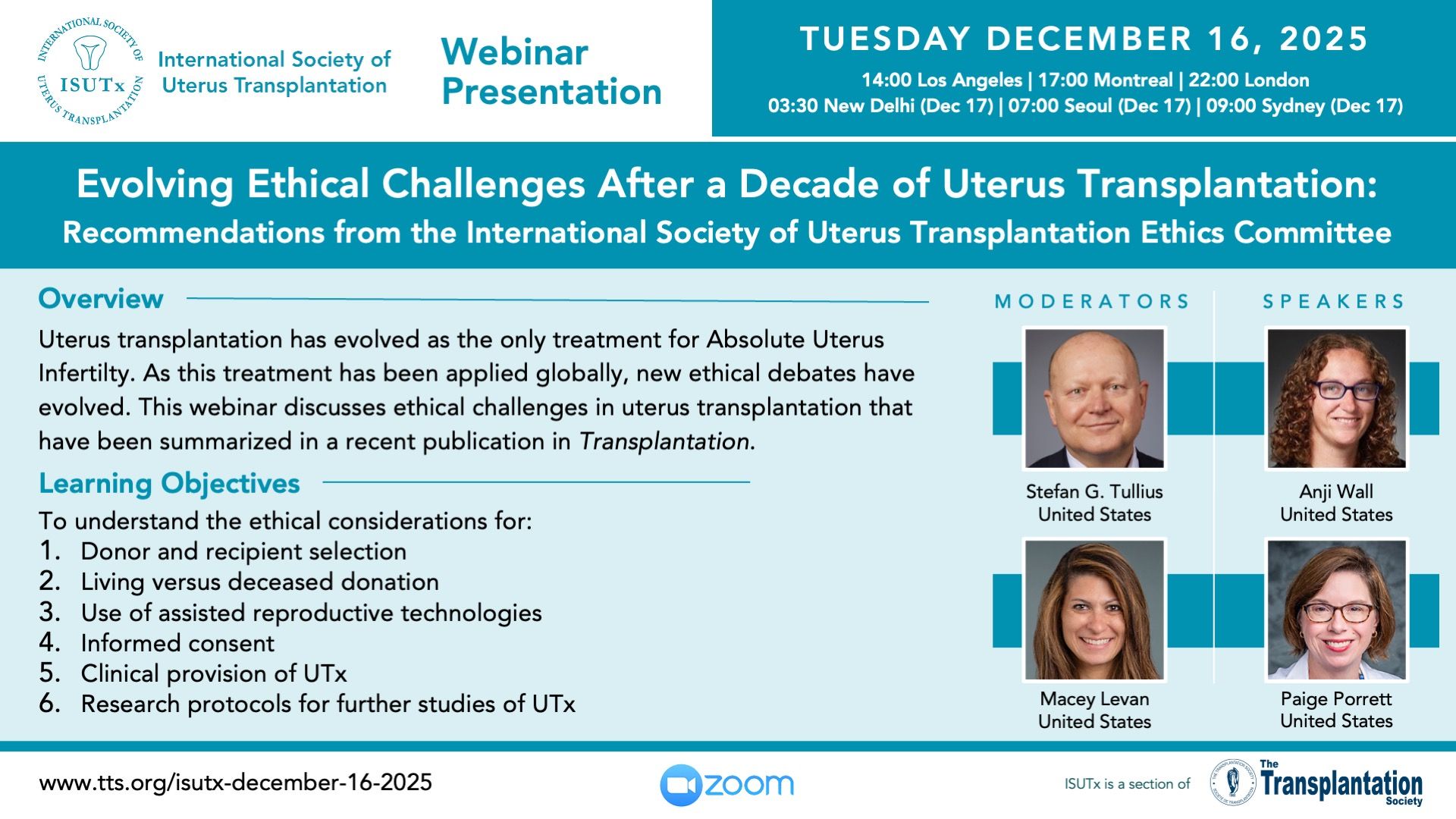
In this December issue of Transplantation, we spotlight new data on transplant tourism—still accounting for an estimated 10% of global transplants—with Kelly Terlizzi and colleagues detailing U.S. patient travel patterns and motivations. Choisy et al. propose a timely combinatorial donor–recipient risk model that may reshape organ allocation beyond organ quality alone. Ethical questions in the rapidly expanding field of uterus transplantation are thoughtfully examined by Anji Wall and the International Uterus Transplant Society’s ethics committee. Sha and co-workers provide reassuring evidence from the US/Canadian Transplant Pregnancy Registry that assisted reproductive technologies are safe and effective for women after kidney transplantation. These selections reflect the breadth and depth of expert insights in the December issue—offering valuable perspectives for the entire transplant community.

Enjoy this issue of the journal. Happy holidays and all the best for 2026!

Stefan G. Tullius, MD, PhD
Editor-in-Chief, Transplantation journals

CLICK HERE TO ACCESS THIS ISSUE

TTS MEMBERS - CLICK HERE TO SIGN-IN FOR OPEN ACCESS THROUGH TTS.ORG


Special ISUTx Feature
As part of the on-going collaboration between TTS and our official Sections, and in order to provide TTS members with an update on areas of the field represented by TTS Sections, the following article has been submitted by the International Society of Uterus Transplantation.

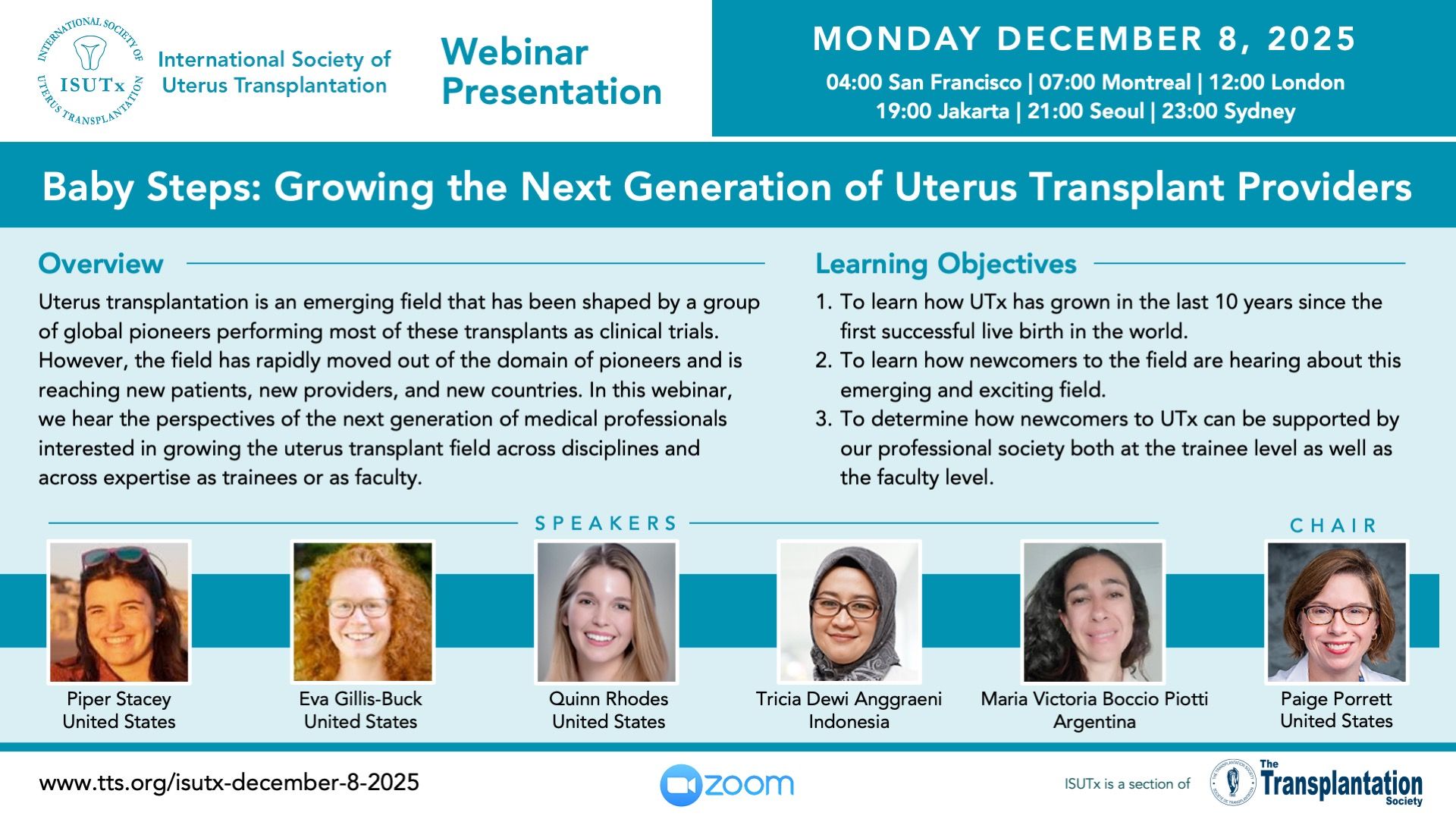
Uterus transplantation (UTx) has progressed rapidly from an experimental procedure to a clinical treatment capable of providing fertility in women with absolute uterine factor infertility. Since the first live birth after UTx in 2014 (Brännström et al., 2015) more than 150 UTx procedures have been performed globally, and we estimate the number of births to be over 80. This progress represents a major milestone in transplantation surgery and reproductive medicine, but it also brings significant responsibility. The available evidence shows that pregnancies after UTx carry risks and the long-term implications for offspring remain largely unknown. As the UTx field moves closer to broader clinical use, there is an urgent need for a registry to monitor pregnancy outcomes and child development after UTx. The International Society of Uterus Transplantation (ISUTx) established a UTx registry in 2020 to track outcomes related to surgery, immunosuppression, and graft survival; however, it contains only limited information on pregnancies resulting in live births and, critically, lacks comprehensive follow-up on the children’s health and development later in life (Brännström et al., 2023).

Pregnancy after UTx differs fundamentally from pregnancy in a non-transplanted uterus. The pregnant mothers require maintenance immunosuppression, and fertilization occurs in vitro with early embryo development taking place ex vivo, adding further complexity. Many grafts come from older donors, and the denervated transplanted uterus functions with surgically reconstructed blood supply and venous drainage, creating an unphysiological environment unlike that of a native uterus. Most recipients have uterine factor infertility as part of Mayer-Rokitansky-Küster-Hauser syndrome, introducing an additional genetic and clinical context. These factors may influence placentation, pregnancy course, and fetal development, with potential consequences not only for childhood morbidity but also for health later in life, an idea consistent with concept of fetal origins of adult disease (FOAD).

Some data on pregnancies and births following UTx are now available, with a comprehensive systematic review of 40 live births reporting substantial risks of both maternal and perinatal morbidity (Brännström et al., 2025). The prematurity rate was 75%, although 40% were electively planned caesarean sections at < 37 completed gestational weeks and none were extremely premature (< 28 weeks). Gestational hypertensive disorders were seen in 25 % of pregnancies and the most common perinatal complication was transient respiratory distress, which was observed in 35% of neonates. These and other pregnancy/neonatal complications may affect child development and be risk factors for child morbidity later in life.

Such a registry would enable systematic tracking of pregnancy course, neonatal complications, and child development into adulthood, as well as facilitate the early identification of late-emerging conditions. Beyond the scientific value, a registry is ethically necessary.

Maternal and perinatal complications are also seen in increased rate in pregnancies after solid organ transplants (SOT). A recent systematic review of outcomes of children born to parents with SOT identified 53 studies (> 1, 600 infants). The overall conclusion was that these children appear to have reassuring long-term outcomes (Meinderts et al., 2022). However, most studies focused on young children, and the authors highlighted the need for prospective research with long-term follow-up into adulthood. Taken together, these findings, combined with the additional demands of pregnancy after UTx, such as IVF conception and the challenges posed by an older, vascularly reconnected uterus, highlight that pregnancy after UTx represents a uniquely high-risk obstetric setting. Concerning follow-up data on children after UTx, only one study has tracked outcomes beyond 2 years of age. In this study, eight children were prospectively followed up to 6 years, with assessments of cognitive, developmental, physical, and psychiatric outcomes (Wentz et al., 2025). The findings indicated overall normal development, although some minor developmental and behavioural symptoms were observed at around 2.5 years of age.

These considerations make it clear that neither the follow-up of UTx pregnancies nor the very long-term assessment of offspring can be left to individual centers. A coordinated international registry is essential for understanding long-term safety and guiding clinical practice. Such a registry would enable systematic tracking of pregnancy course, neonatal complications, and child development into adulthood, as well as facilitate the early identification of late-emerging conditions. Beyond the scientific value, a registry is ethically necessary.

At the most recent congress of the ISUTx, held in Antalya, Turkey, in October 2025, a proposal for establishing such a registry was presented. The proposed registry is built on the REDCap platform and is designed to comprehensively track pregnancies and child outcomes. Background variables include detailed information about the donor, the recipient, and aspects of assisted reproduction. Pregnancy-related data are reported at 12 weeks of gestation and again at delivery, with miscarriages also documented. Delivery-specific parameters are recorded, and maternal health factors are followed through 42 days postpartum. Neonatal outcomes are assessed at birth and during the first 28 days of life. Long-term follow-up of the child is planned at 2 years, 5.5 years, 10 years, and 18 years of age, including evaluations of physical and neuropsychiatric development, as well as overall morbidity.

As UTx moves toward broader clinical implementation, the field has a duty to pair innovation with robust monitoring. The early phase has shown that pregnancies after UTx are complex and high-risk, and although early childhood outcomes appear reassuring, long-term safety remains largely uncharted. An international pregnancy and child research registry is therefore not merely desirable, it is necessary. It will strengthen scientific understanding, guide clinical practice, protect the wellbeing of children born through UTx, and provide the ethical foundation for the responsible evolution of this remarkable treatment.


References
  • Brännström et al.
    Livebirth after uterus transplantation.
    Lancet 2015;385:607–616.
  • Brännström et al.
    Registry of the International Society of Uterus Transplantation: First report.
    Transplantation 2023;107:10-17.
  • Brännström et al.
    Maternal and perinatal outcomes of live births after uterus transplantation: A systematic review.
    Acta Obstet Gynecol Scand 2025;104:559-578
  • Meinderts et al.
    Long-term outcomes of children born to parents with solid organ transplants: a systematic review.
    Transplant Int 2022;35:10565.
  • Wentz et al.
    Uterus transplantation; first data on neurologic, neuropsychiatric, and physical examination follow-up of children up 6 years of age.
    Hum Reprod 2025; epub Sep 13


Transplantation Journal Highlights

Transplantation Journal - Social Media Content
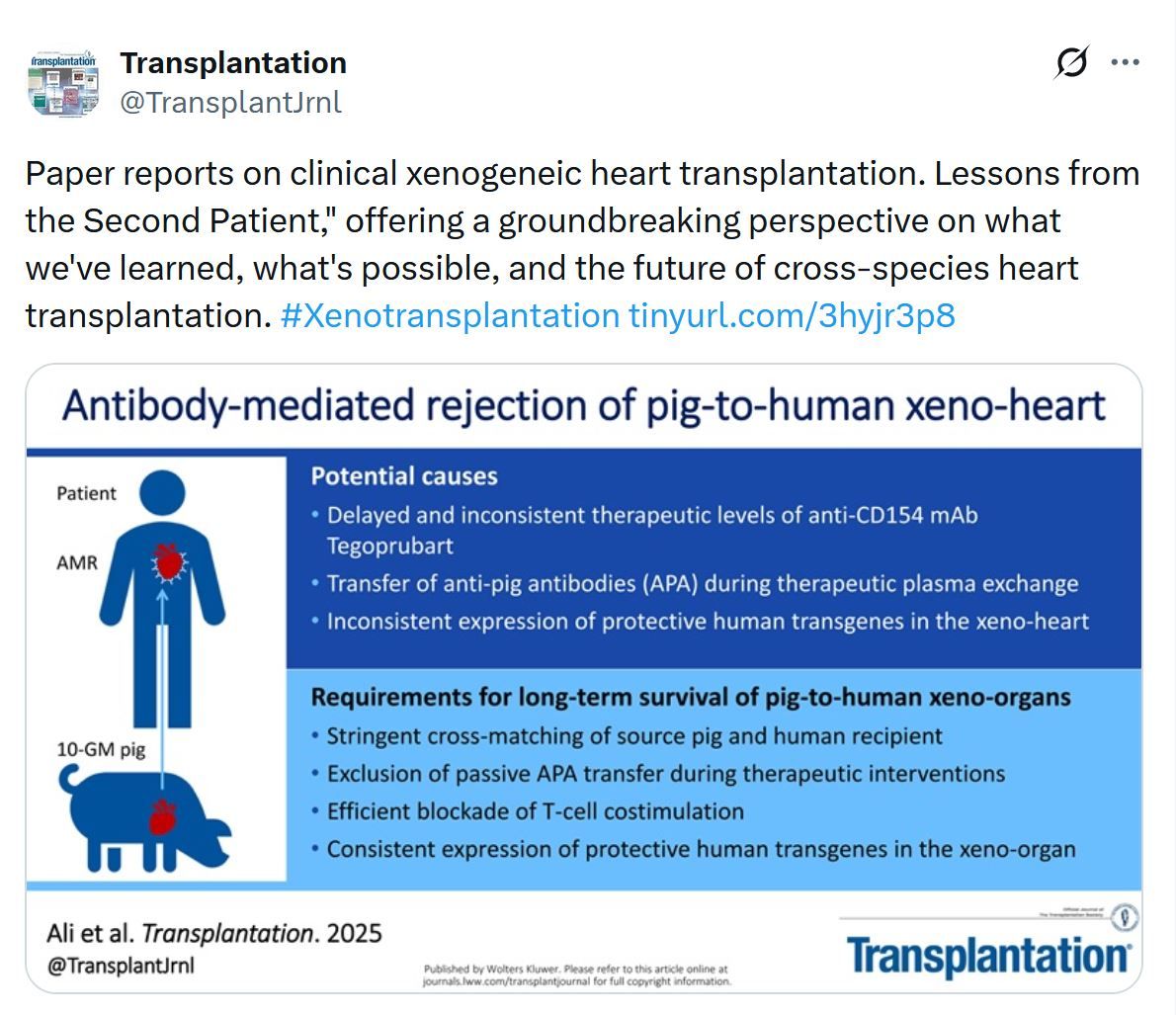
Clinical Xenogeneic Heart Transplantation: Lessons From the Second Patient
Consistent success in orthotopic xenotransplantation of genetically modified (GM) pig hearts in baboons provided the basis for the first compassionate use of a GM pig heart xenotransplant in a patient with terminal cardiac failure. The cloned 10-GM source pigs had inactivated GGTA1, CMAH, and B4GALNT2/B4GALNT2L genes to prevent hyperacute/acute rejection, as well as a mutated growth hormone receptor (GHR) gene to control excessive heart growth
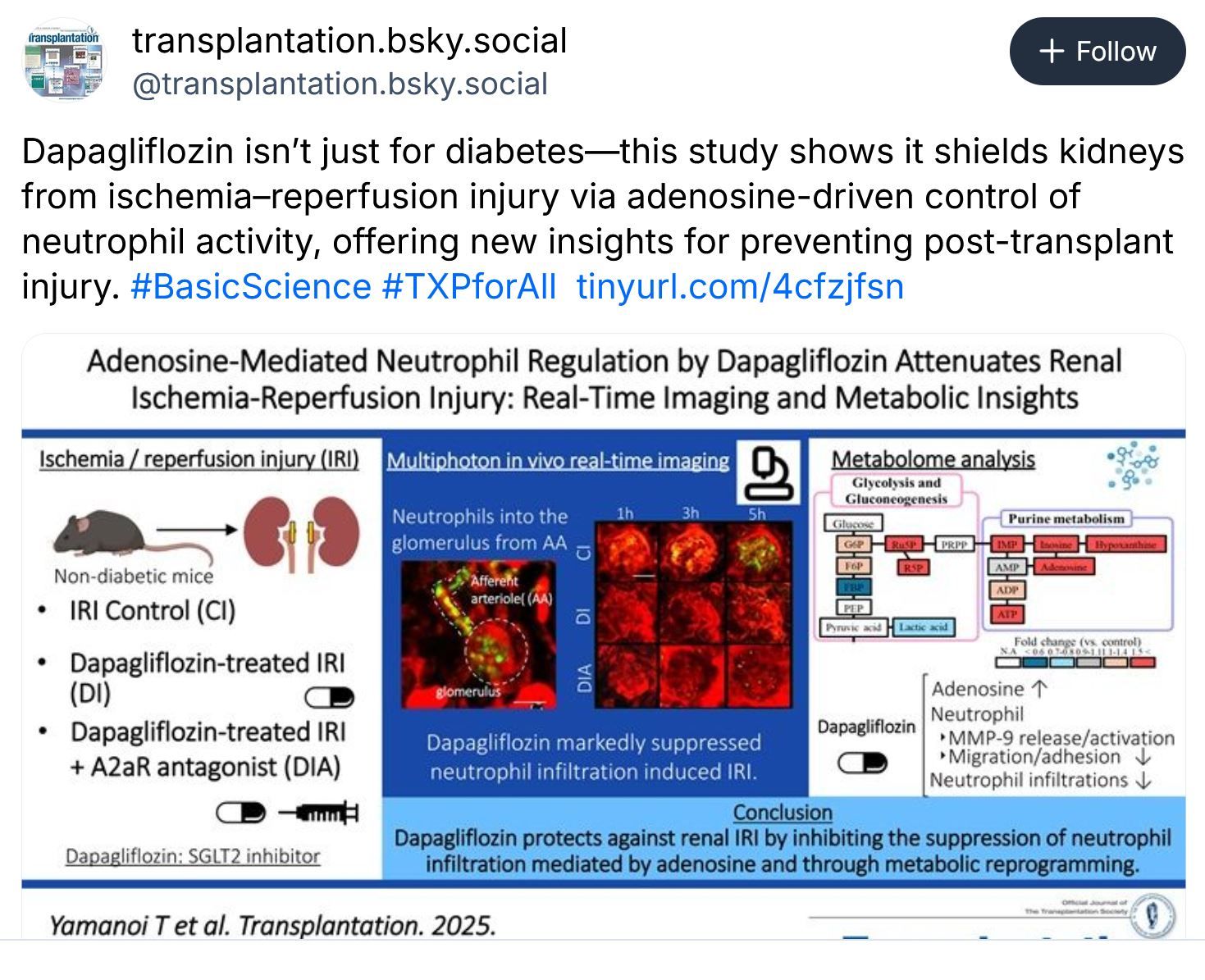
Adenosine-mediated Neutrophil Regulation by Dapagliflozin Attenuates Renal Ischemia/Reperfusion Injury: Real-time Imaging and Metabolic Insights
Acute kidney injury resulting from ischemia/reperfusion injury (IRI) remains a significant clinical challenge, with limited therapeutic options. This study investigated the renoprotective mechanisms of dapagliflozin, a sodium-glucose cotransporter 2 inhibitor (SGLT2i), in nondiabetic mice, focusing on neutrophil dynamics and adenosine signaling pathways.

Transplantation Direct - Social Media Content
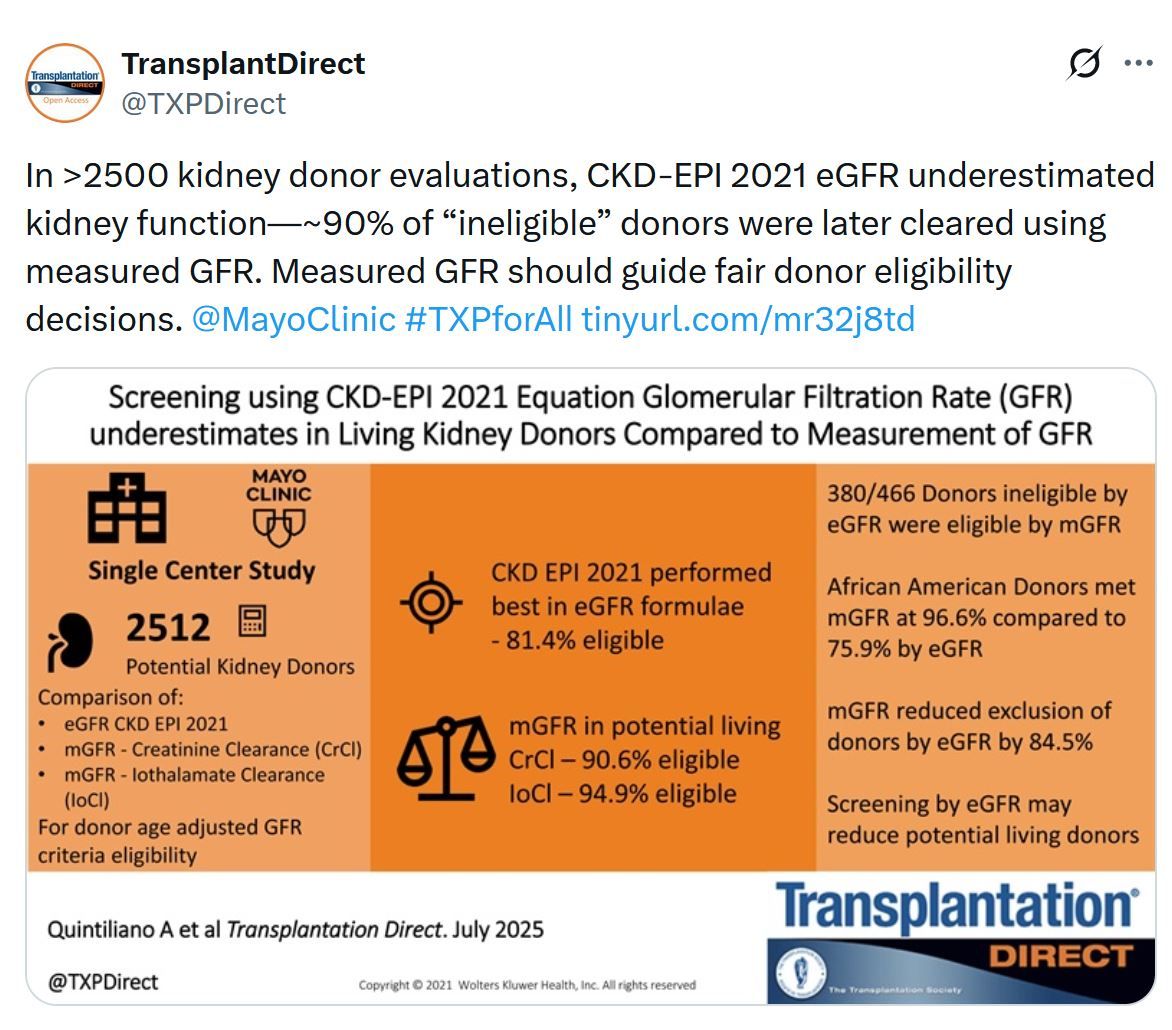
Screening Using Chronic Kidney Disease Epidemiology Collaboration 2021 Equation Glomerular Filtration Rate Underestimates in Living Kidney Donors Compared With Measurement of Glomerular Filtration Rate
Living kidney donation (KD) evaluation particularly focuses on glomerular filtration rate (GFR). Assessing GFR in living kidney donors can be done by estimation (eGFR) or measurement (mGFR). This study aims to evaluate the impact of eGFR equations, focusing on the Chronic Kidney Disease Epidemiology Collaboration (CKD-EPI) 2021 equation for donor eligibility screening and the reclassification of donors excluded by eGFR criteria to mGFR assessments.
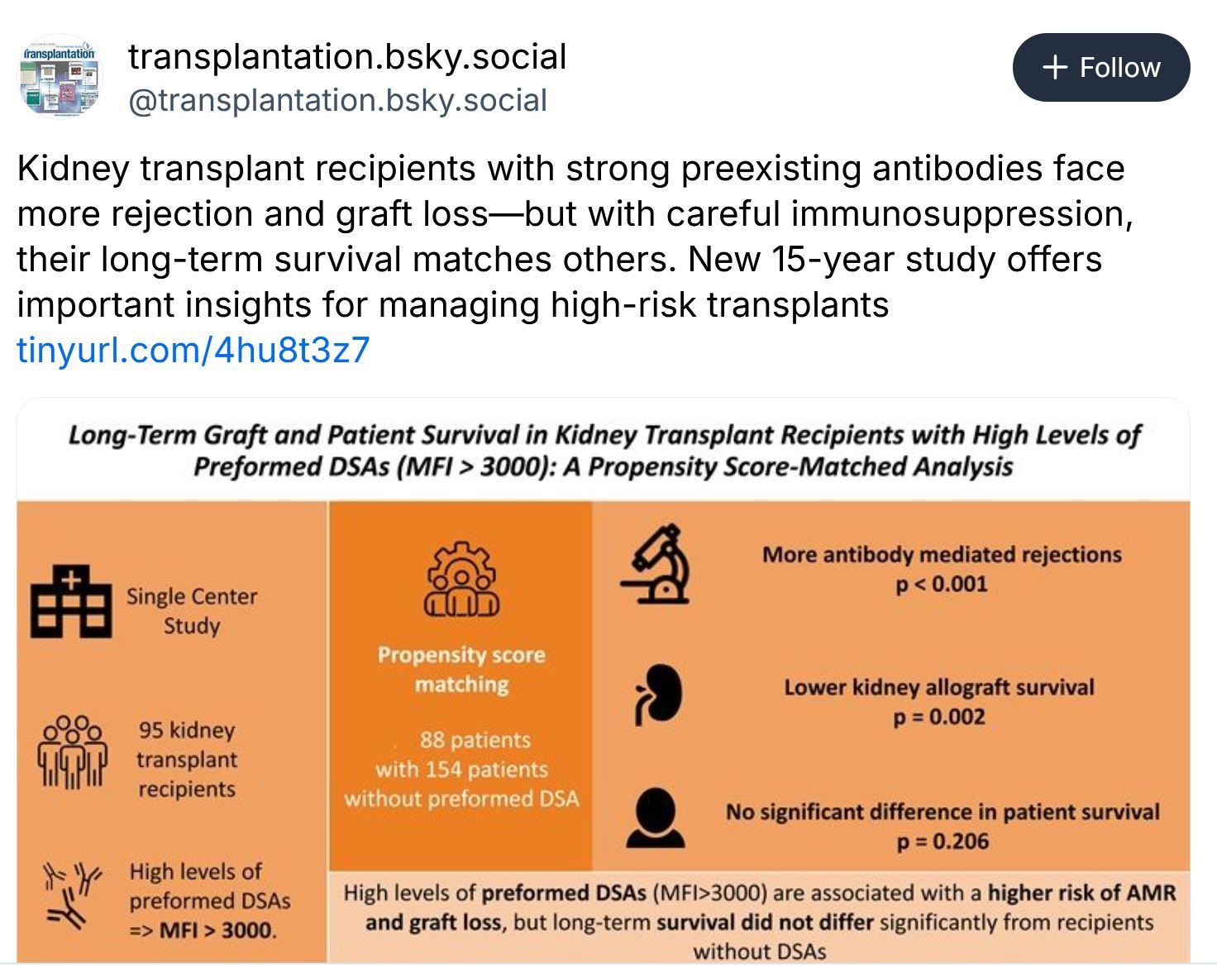
Long-term Graft and Patient Survival in Kidney Transplant Recipients With High Levels of Preformed DSAs (MFI > 3000): A Propensity Score–matched Analysis
Kidney transplant recipients with preformed donor-specific antibodies (DSAs) are at higher risk for antibody-mediated rejection (AMR) and graft failure. This study assesses outcomes during a 15-y period, comparing patients with high levels of preformed DSAs to a matched cohort of recipients without DSA.

In the News


Social

Contact

Staff Directory
+1-514-874-1717
info@tts.org

Address

The Transplantation Society
International Headquarters
740 Notre-Dame Ouest
Suite 1245
Montréal, QC, H3C 3X6
Canada

Используйте Вавада казино для игры с бонусом — активируйте промокод и начните выигрывать уже сегодня!