


Officers and Council
Officers
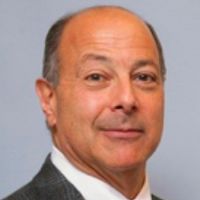
Dr. Jay Fishman
United States
Jay A. Fishman, M.D. is Professor of Medicine at Harvard Medical School (HMS), Director of the Transplant Infectious Diseases and Compromised Host Program at Massachusetts General Hospital (MGH), and Associate Director of the MGH Transplant Center. Dr. Fishman received his MD from Johns Hopkins University School of Medicine, internal medicine training and Infectious Disease Fellowship at MGH, and postdoctoral Fellowships in Molecular Biology and Genetics at MGH and HMS. He completed the General Management Program at Harvard Business School.
His clinical studies defined the timeline of post-transplant infectious disease and the use of ganciclovir for CMV infection in transplantation. His basic research is focused on molecular studies of opportunistic pathogens in immunocompromised hosts including clinical xenotransplantation. His mechanistic studies demonstrated the role of human CMV infection in transplantation in predisposing to fungal infection and graft rejection - the “indirect effects” of CMV. His lab cloned and sequenced the porcine endogenous retrovirus (PERV) from swine and performed the first studies of porcine cytomegalovirus (PCMV) in pigs and baboon transplant recipients.
Dr. Fishman has a special interest in education and mentorship and established the first Transplant and Immunocompromised Host Program worldwide at MGH. He has been elected Fellow of the American College of Physicians, the American Society of Transplantation, the European Society for Clinical Microbiology and Infectious Disease, the Infectious Disease Society of America and the European Society of Microbiology and Clinical Infectious Diseases. He is Past-President of the American Society of Transplantation, President of the International Xenotransplantation Association and Councilor of the Transplantation Society. He has received career achievement awards from AST and TTS.
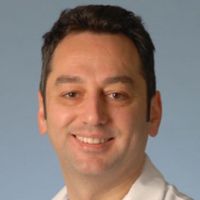
Dr. Burcin Ekser
United States
Burcin Ekser, MD, PhD, studied medicine in Turkey and Italy and carried out xenotransplantation research at the University of Padua, Italy, and the University of Pittsburgh, PA, USA. He is a Professor of Surgery and Surgical Director of Liver Transplantation at Loyola University Chicago. His laboratory has been funded by NIH and other extramural agencies and is involved in xenotransplantation research and 3D liver models. He is an active member of all major transplant societies and has served as a member and/or chair of their committees. He has been a council member of the IXA for 4 years, representing North America. He has published >200 peer-reviewed scientific articles and holds patents in xenotransplantation and 3D organ models. He serves as the deputy editor for the International Journal of Surgery (2nd highest impact in Surgery Category). He previously won several Young Investigator Awards, Rising Star in Transplant Surgery Awards, and Faculty Development Grants from the ASTS, ESOT, TTS, IXA, and ILTS. He received several mentored awards for his mentees. Most recently, he was the recipient of a TTS International Transplantation Science Mentor Award and NIH NHLBI Outstanding Faculty Mentor Award.
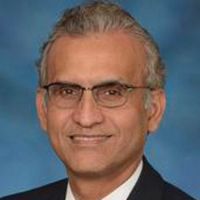
Dr. Muhammad M. Mohiuddin
United States
Dr. Mohiuddin currently serves as a tenured Professor of Surgery and Director of the cardiac xenotransplantation program at the University of Maryland School of Medicine (UMSOM), Baltimore, MD. He has been involved in Xenotransplantation Research since 1991 and started xenotransplantation research programs at the NIH, Rush University Chicago, and at UMSOM. He is the Associate Editor for Transplantation and Frontiers in Transplantation journal. He has been a member of the executive committee of the Community of Transplant Scientists (COTS) and is currently a member of the advisory council of transplant regenerative medicine of the American Society of Transplantation (AST). Dr. Mohiuddin's career has been a testament to his pioneering spirit in the field of Xenotransplantation. His leadership extends to the International Xenotransplantation Association (IXA), where he now serves as Immediate Past President. Dr. Mohiuddin's unwavering dedication to Xenotransplantation culminated in two significant milestones. On January 7, 2022, he achieved the First Genetically Engineered pig-to-human cardiac Xenotransplantation, a feat that marked a new era in the field. He then led the second xenotransplantation procedure in September 2023, further solidifying his position as a leader in the field. Both surgeries were successfully conducted at the University of Maryland Medical Center in Baltimore, Maryland. As a member of the executive council of IXA, Dr Mohiuddin would like to help bring all groups performing Xenotransplantation onto one platform and foster collaboration among them. He has been instrumental in the IXA platform's interactions with FDA and other regulatory agencies and would like to continue to keep them informed of current progress in the field and facilitate the clinical translation of Xenotransplantation. As an adamant supporter of animal research, Dr. Mohiuddin would like to continue helping overcome the hindrances to conducting animal research. With his experience in Xenotransplantation, he would like to make IXA the leading organization in the field.
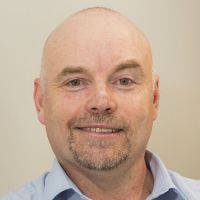
Prof. Wayne Hawthorne
Australia
Wayne Hawthorne is Professor of Transplantation in the Department of Surgery at the University of Sydney. He serves as Director of the National Pancreas and Islet Transplant Laboratories at Westmead Hospital and Director of the Translational Transplantation Therapies Program at the Westmead Institute for Medical Research (WIMR). Dr Hawthorne has over a decade of continuous service on the IXA Council as Council Member, President‑Elect, President, Immediate Past President, and Treasurer/Secretary. He has played a central role in the development of IXA strategies in international guidelines, publication of “White Papers” and global policy direction in xenotransplantation. Professor Hawthorne has also supported IXA’s mission in The Transplantation Society (TTS) and the World Health Organization (WHO), where his work has supported the development of international standards, regulatory frameworks, and best‑practice governance. He has a career over more than 30 years in surgery, translational science, and global policy to advance safe, effective, and ethically governed transplantation therapies with a focus on real‑world clinical application of Islet Cell Xenotransplantation.
Councilors
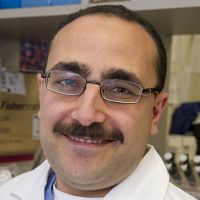
Dr. Mohamed Ezzelarab
United States
Research Assistant Professor, University of Pittsburgh, Starzl Institute
My primary interest within the International Xenotransplantation Association is to support safe and effective clinical translation of xenotransplantation as a solution to the critical global shortage of donor organs. I am particularly focused on advancing therapeutic strategies that enable successful clinical use of genetically engineered pig organs for patients with end-stage organ failure. Achieving this goal requires continued progress in overcoming the immunologic, and physiologic barriers that currently limit long-term xenograft survival. My research interests center on understanding the immune mechanisms that contribute to xenograft rejection and dysfunction, and on developing clinically relevant approaches to control these responses. This includes evaluating novel immunomodulatory strategies aimed at promoting immune regulation and reduce the need for intensive immunosuppression in future clinical trials.
In addition, I am committed to emphasizing the critical importance of the translational pathway from rigorous preclinical studies in nonhuman primate models to early-phase clinical trials. This process is essential for establishing the safety, efficacy, and optimal therapeutic strategies required for successful clinical application in humans.
Also, within the Association, I hope to contribute to collaborative efforts aimed at addressing key clinical challenges related to long-term xenograft survival and the long-term management of transplant recipients. As xenotransplantation enters an era of early clinical application, I believe that international collaboration will be essential to develop standardized protocols, regulatory frameworks, and shared clinical experience. Through my role on the IXA Council, I look forward to helping guide initiatives that accelerate responsible clinical progress in xenotransplantation
Dr. Hidetaka Hara
China
Hidetaka Hara, MD, PhD, is Professor at the Transplantation Institute of the Second Affiliated Hospital of Hainan Medical University, China. His research focuses on overcoming key immunological barriers to xenotransplantation, including anti-pig antibody responses, innate immune activation, and inflammation in pig-to-primate transplantation. He has extensive experience in preclinical xenotransplantation studies using genetically engineered pigs, encompassing organ, tissue, and cellular transplantation models aimed at enabling safe clinical translation. As a Councilor of the International Xenotransplantation Association (IXA), he represents the Asian xenotransplantation community and promotes information sharing, international collaboration, and the responsible advancement of xenotransplantation research and clinical application across Asia.
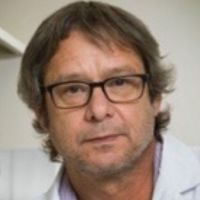
Dr. Gregory Korbutt
Canada
Dr. Korbutt is a Professor in the Department of Surgery at the University of Alberta and the Scientific Director of the Alberta Cell Therapy Manufacturing Facility, the only institute of its kind in Western Canada capable of producing therapeutic-grade cells for transplantation. As one of the original Edmonton Protocol team members that developed islet cell transplant to treat Type 1 diabetes, and current Director of the Alberta Diabetes Institute Histology Core, Dr. Korbutt is a leading expert in diabetes and human cell biology research. His research program has focused on optimizing the isolation and transplantation of neonatal porcine islets in rodent and pre-clinical large animal models. One of Dr. Korbutt’s most notable recent innovations is the development of localized immune-suppression to prevent islet graft rejection (PMID: 37765170, 31650674). Dr. Korbutt’s group is GMP-certified, allowing for rapid bench to clinic translation. As part of this initiative, Dr. Korbutt co-founded Transcyto Inc. to facilitate efficient commercialization of neonatal porcine isets.
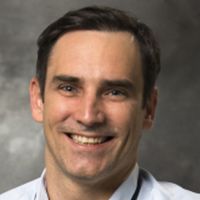
Dr. Alexandre Loupy
France
Alexandre Loupy, MD, PhD, is Professor of Nephrology and Epidemiology at Necker Hospital (Université Paris Cité) and Director of the Paris Institute for Organ Transplantation and Regeneration (PITOR). A physician–scientist trained in internal medicine, transplantation, and biostatistics, his research focuses on precision medicine in transplantation, integrating multi-omics data, artificial intelligence, and large clinical networks to improve diagnostics, risk prediction, and graft outcomes. He leads the Paris Transplant Group, a multidisciplinary research consortium studying immune responses and innovation in organ transplantation. In xenotransplantation, his work aims to develop advanced diagnostic systems to characterize the xenoimmune response, guide immunosuppressive strategies, and accelerate safe clinical translation of pig-to-human organ transplantation. Through international collaborations and clinical research initiatives, he contributes to building the scientific and translational framework needed to bring xenotransplantation into clinical practice.

Dr.Raphael Meier
United States
Raphael P. H. Meier, MD, PhD, is a transplant surgeon-scientist and Associate Professor of Surgery at the University of Maryland School of Medicine in Baltimore, USA. He specializes in liver, kidney, and pancreas transplantation as well as hepatobiliary surgery. His clinical and academic work focuses on developing innovative therapies to address end-stage organ diseases, including diabetes, renal failure, and liver failure.
Dr. Meier’s research program focuses on xenotransplantation and regenerative medicine. His work spans multiple areas of xenotransplantation research, including islet xenotransplantation, hepatocyte xenotransplantation, and solid-organ xenotransplantation. A major focus of his laboratory is improving the microenvironment and survival of encapsulated xenogeneic pancreatic islets using mesenchymal stromal cells (MSCs) and biomaterial-based microencapsulation technologies. His group has also investigated MSCs as therapeutic cellular platforms capable of delivering anti-inflammatory and anti-fibrotic molecules to modulate immune responses and improve graft survival in xenotransplantation and chronic liver disease.
His research further explores strategies to enhance xenogeneic hepatocyte function, improve graft tolerance and immune modulation, and develop cell-based therapies for liver fibrosis and inflammatory liver diseases. In parallel, Dr. Meier is involved in translational research examining machine perfusion technologies, graft preservation, and novel bridging strategies using xenogeneic organs for acute liver failure.
Dr. Meier currently serves as Chair of the Young Investigator Committee of the International Xenotransplantation Association, where he leads initiatives aimed at supporting early-career investigators and strengthening international collaboration in xenotransplantation research. He also contributes to multiple international transplant societies and collaborative scientific initiatives focused on xenotransplantation and transplant immunology.
He has authored more than 100 peer-reviewed publications in surgery, transplantation, and xenotransplantation research, including the recent position paper on kidney xenotransplantation from the International Xenotransplantation Association. He serves as Senior Xenobulletin Consultant Editor for the American Journal of Transplantation and as Literature Update Section Editor for Xenotransplantation.
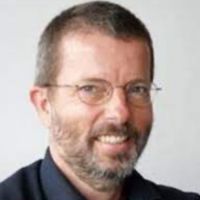
Dr. Robert Rieben
Switzerland
Robert Rieben is an emeritus professor at the University of Bern, Switzerland. He has been actively working on xenotransplantation for more than 30 years. From 1992 to 2002 he mainly worked on the use of synthetic antigens and complement inhibitors to prevent hyperacute rejection. Since 2003 his focus shifted increasingly to the endothelial glycocalyx and its importance in the regulation of complement, coagulation and fibrinolysis in xenotransplantation. From 2012 to 2024 Robert Rieben was affiliated to the German Transregio 127 research project on xenotransplantation, where he was involved in pig-to-baboon cardiac xenotransplantation, including the milestone paper of Längin et al., published in Nature in 2018.
Education, Media and Communications Director
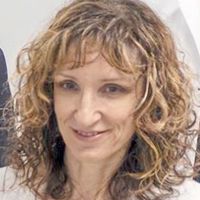
Dr. Rita Bottino
United States
Rita Bottino is an internationally recognized expert in islet xenotransplantation and pancreatic cell therapy. Her work is driven by a strong commitment to improving treatment options for people with diabetes, including developing approaches using genetically engineered porcine islets that have shown long-term success in preclinical models. Alongside her research, she has played an active role in shaping the field through her leadership in the International Xenotransplantation Association, where she has served as Secretary/Treasurer and Councilor, and now contributes to its Ethics and Communications Committees. She has held faculty positions at the University of Pittsburgh, Carnegie Mellon University, and Allegheny Health Network. Today, as Director of Islet Programs at Imagine Pharma, she leads clinical and research efforts with a focus on turning scientific discoveries into meaningful therapies for patients.
Past Presidents
Honorary Members
Social
Address
International Xenotransplantation Association
C/O The Transplantation Society
International Headquarters
740 Notre-Dame Ouest
Suite 1245
Montréal, QC, H3C 3X6
Canada