

TTS 2026 - Meet the Plenary Speakers

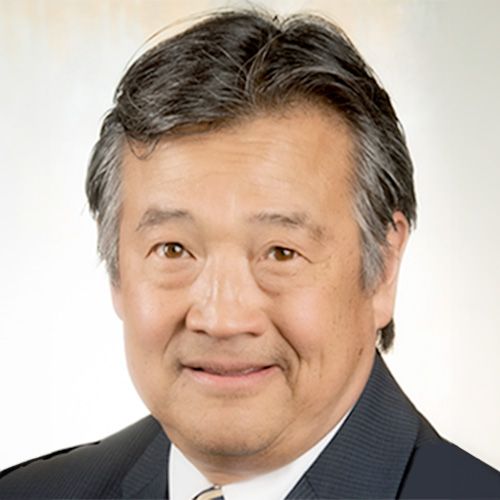
John J. Fung
Haibo Wang
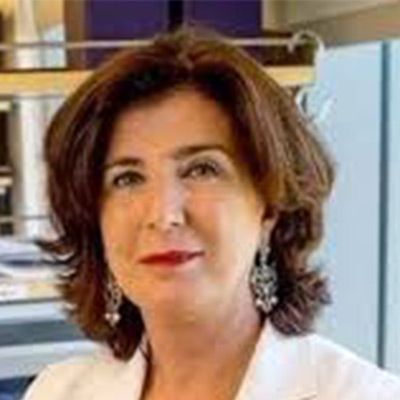
Maria Grazia Roncarolo

Ton J. Rabellink

Olivia Smibert
Plenary Session 2: Panel on Making Xeno Work for Humanity!
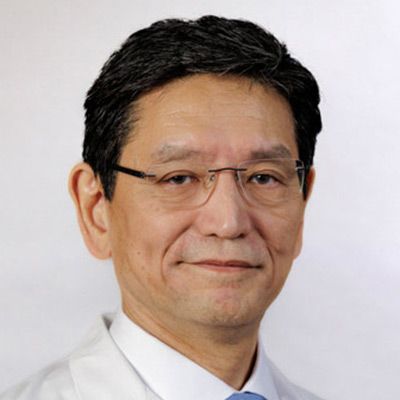
Tatsuo Kawai

Anoma Nellore
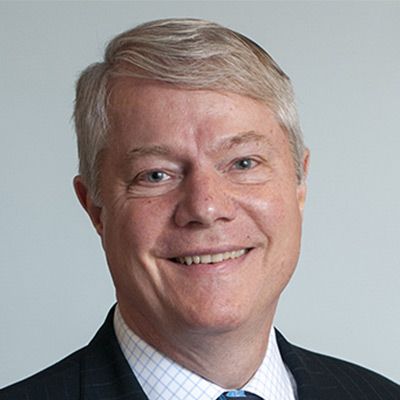
Richard N. Pierson III
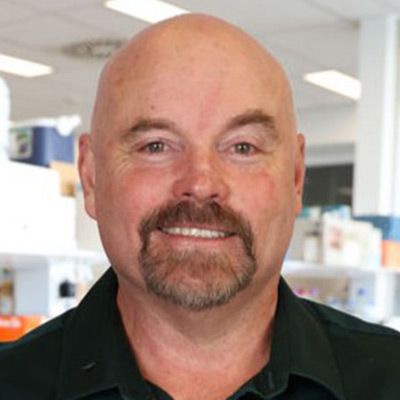
Wayne J. Hawthorne
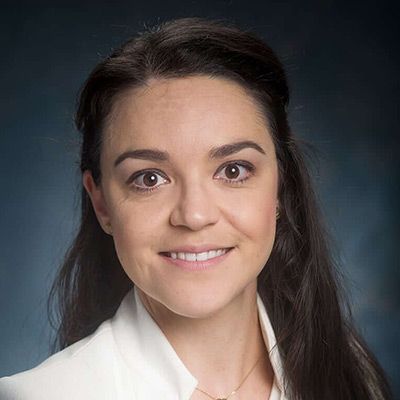
Luz Padilla
Just Released - Transplantation Direct - February 2026
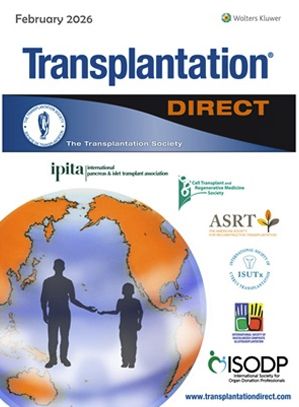
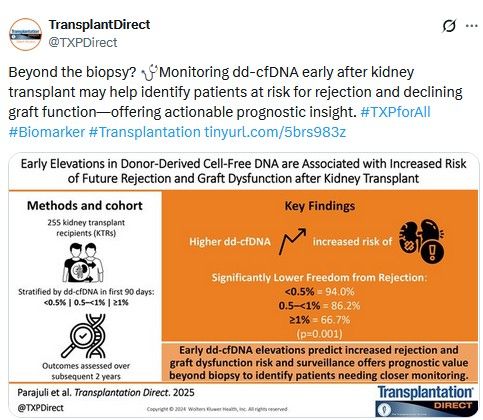
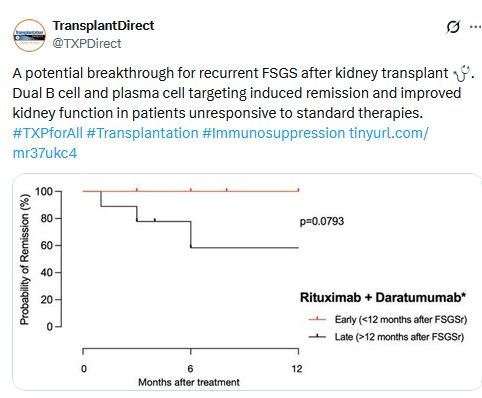
The February issue of Transplantation Direct covers a full spectrum of topics in transplantation. We feature a several articles in kidney transplantation including an investigation into carboxypeptidase polymorphism associations with allograft loss, a report on the longer-term effects of delayed graft function in recipients, outcomes with combined anti-CD20 and anti-CD38 therapy in regard to FSGS recurrence after transplantation, insight into marked variations in center-specific acceptance of suboptimal donor kidney offers, testing the impact of early elevations in dd-cfDNA on long-term transplant outcomes, and a report on the suitability of wearable digital health devices in older transplant candidates. In liver transplantation, we have a study reporting on predictions of tolerance using microRNA profiling in pediatric transplant recipients. We also spotlight articles in the field of lung transplantation, including results from a prospective study to use dd-cfDNA measurements in lieu of transbronchial biopsies in the first post-transplant year, testing von Willebrand factor in lung microvascular endothelial cells as a surrogate for improving pre-transplant organ conditioning, and an evaluation of variability in clinical lung transplant practices in Canada. For the heart transplant community, we have an article on detection of peripheral blood transcriptomic signatures that identify rejection. On other topics, another article focuses on the importance of MHC matching in pigs with regard to inducing tolerance to VCA transplants after hematopoietic stem cell transplantation. We also have a pig model study on the use of hypothermic machine perfusion to improve pancreas preservation before transplantation. And, finally, for the hematologists, we have a report on the evaluation of intensified treosulfan – fludarabine conditioning with thiotepa addition in older or comorbid patients that have an active myeloid neoplasm undergoing allo-stem cell transplantation. We welcome you to this full slate of articles, which can be accessed in their entirety on our Transplantation Direct website.
Transplantation - Behind the Paper with Satish N. Nadig, Jonathan Bromberg and Anita Chong - February 6, 2026

Federal funding, particularly from the National Institutes of Health, plays a crucial role in advancing transplantation research. This support has helped lay the groundwork for significant progress in understanding transplantation and alloimmunity. The study highlights the achievements made possible through federal dollars, emphasizing the transformation of innovative ideas into clinical applications. However, it also points out the ongoing challenges and unmet needs in the field, suggesting that continued investment is essential for further breakthroughs and improvements in transplantation outcomes.
Federally Funded Research in Transplantation: Achievements, Strategy, and Vision
Call for Nominations Reminder - DEADLINE: FEBRUARY 18, 2026
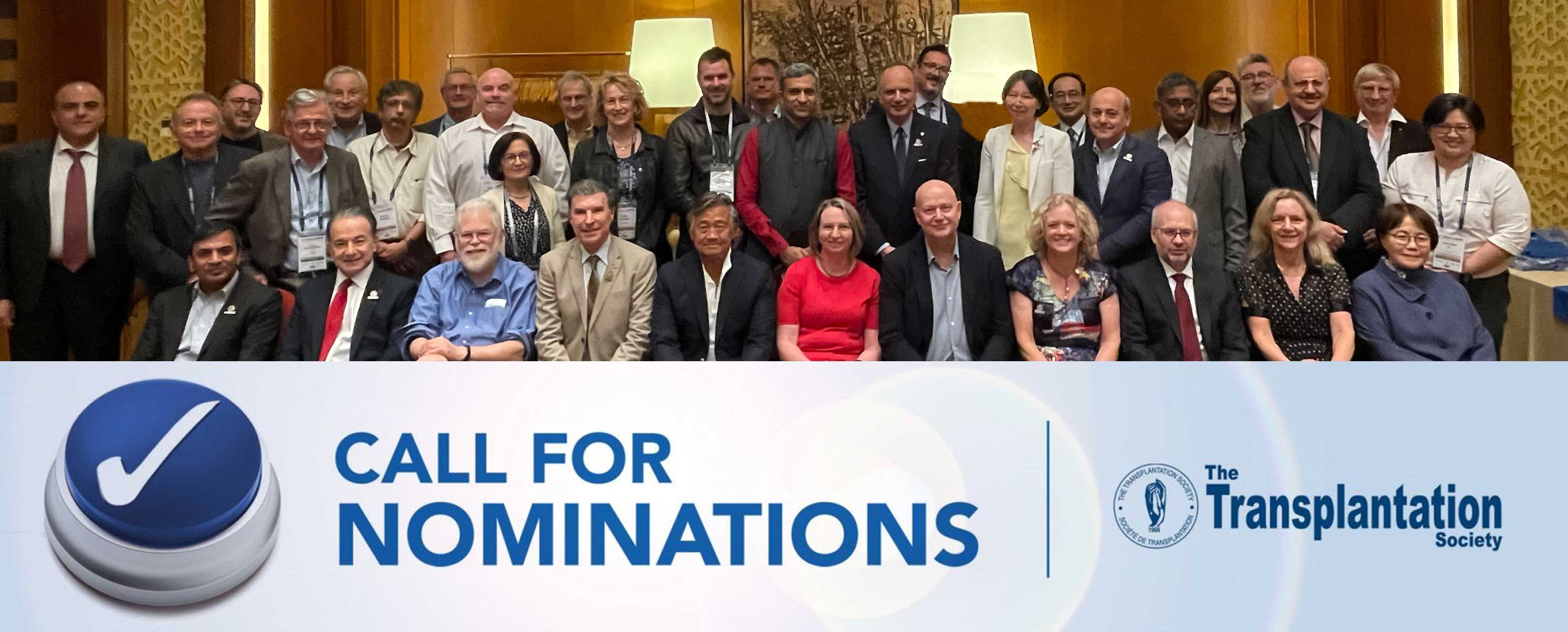
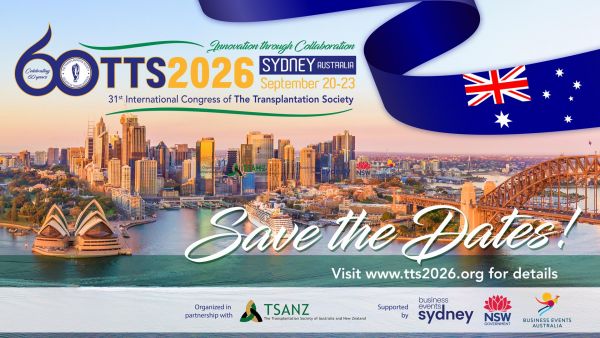
In 2026, three Officer positions will be vacated and 5 of the 14 Councilors-at-large representing the Regions will be changing. The elections will take place in early 2026 and those elected will assume their new roles starting at the 2026 TTS Congress in Sydney.
Transplantation Journal Highlights

Transplantation Journals - A New Team of Editorial Fellows Has Arrived!

We are thrilled to welcome eleven outstanding new EDITORIAL FELLOWS who officially began their two-year journey with Transplantation and Transplantation Direct in January 2026. This is not just a cohort—it is a truly global community, bringing together voices from Finland, Germany, the UK, the US, India, Brazil, Canada, the Netherlands, Australia, Iran, and Greece.
Spanning career stages from clinicians in training to established professionals, this dynamic group brings deep and diverse expertise across biostatistics, HLA laboratory science, hepatology, cardiology, nephrology, and surgery. Together, they represent the next generation of leaders shaping transplantation science and scholarly publishing.
What will our Editorial Fellows be up to? During their fellowship, they will:
- Learn from the best through structured mentorship with senior editorial leaders and strategy and progress calls
- Get hands-on with publishing, reviewing manuscripts, developing editorials and commentaries, evaluating figures, and contributing to editorial decisions
- Spark creativity by helping develop special thematic sections, central visual figures, and features such as Game Changer and Journal Highlights
- Amplify impact and outreach via social media, author interviews, webinars, and podcasts
We are incredibly excited to work with this talented and energetic group and look forward to the ideas, insights, and innovations they will bring. The future of transplantation publishing is in excellent hands!
On behalf of the Editorial Team,
Carla Baan
Coordinator of the Editorial Fellowship Program
Transplantation and Transplantation Direct
Stefan Tullius,
Editor-in-Chief
Transplantation and Transplantation Direct

Alvaro Assis de Souza
Nicole De La Mata

Ahad Eshraghian

Maria Florencia Fernandez

Quan Yao Ho

Emil Holmström
Jasper Iske

Sophia Rozani

Gaurav Tripathi

Kushboo Saxena

Arunkumar Subbiah
Transplantation Journal - Social Media Content
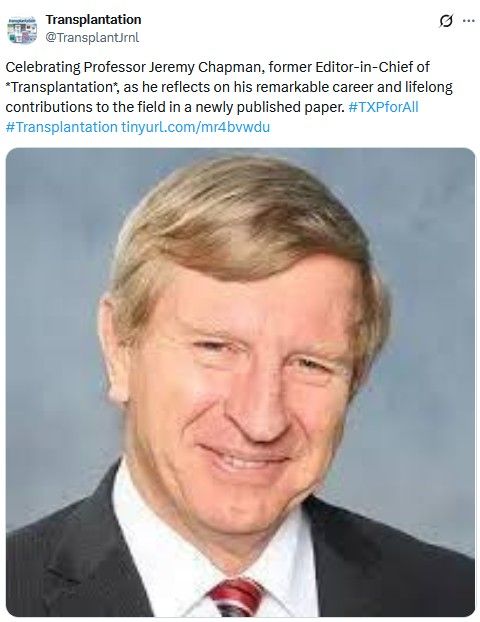
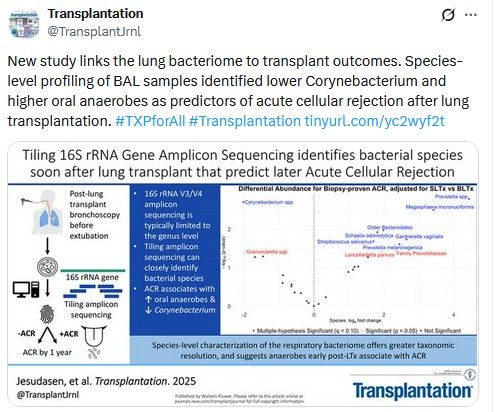
Transplantation Direct - Social Media Content
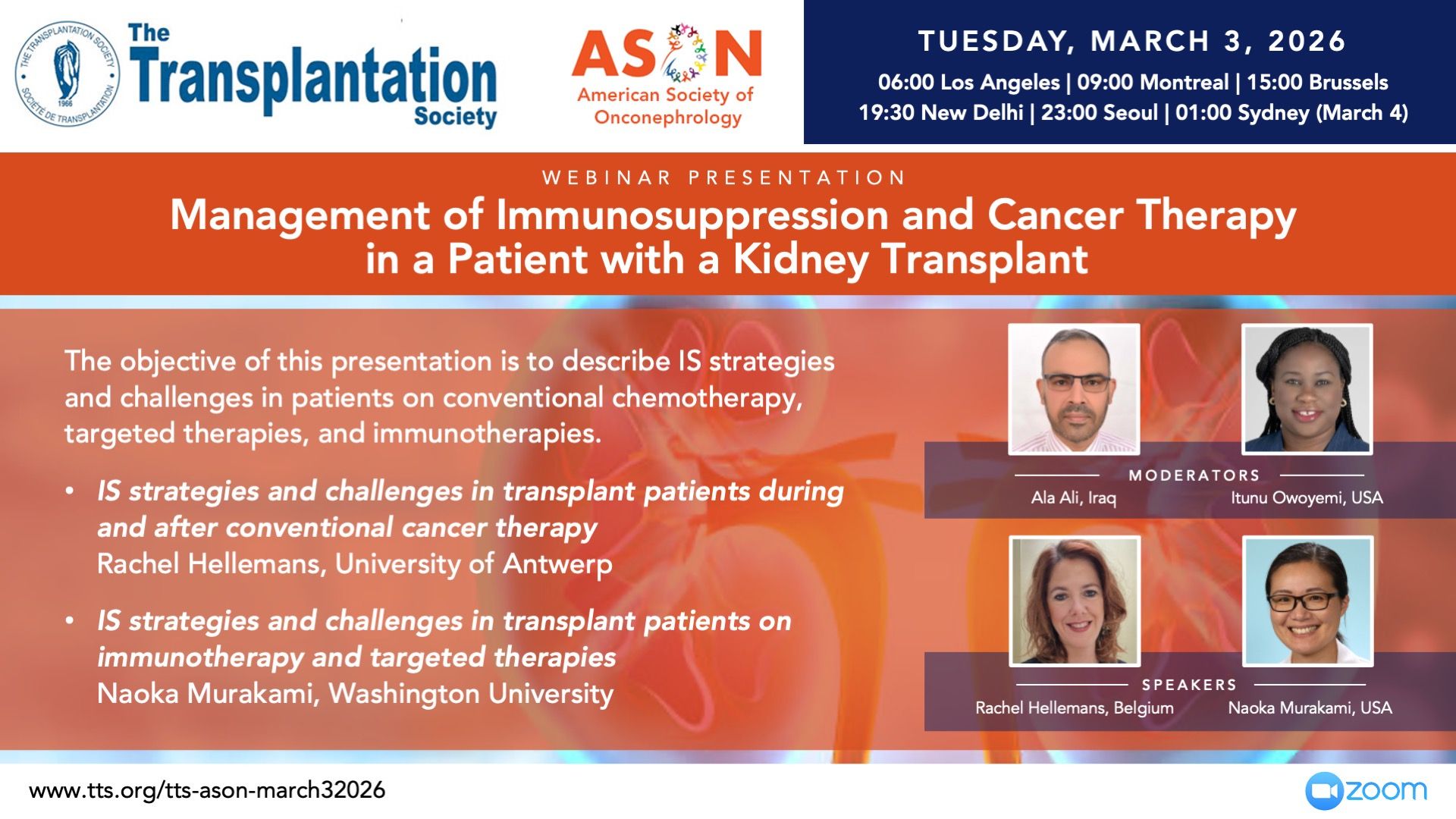
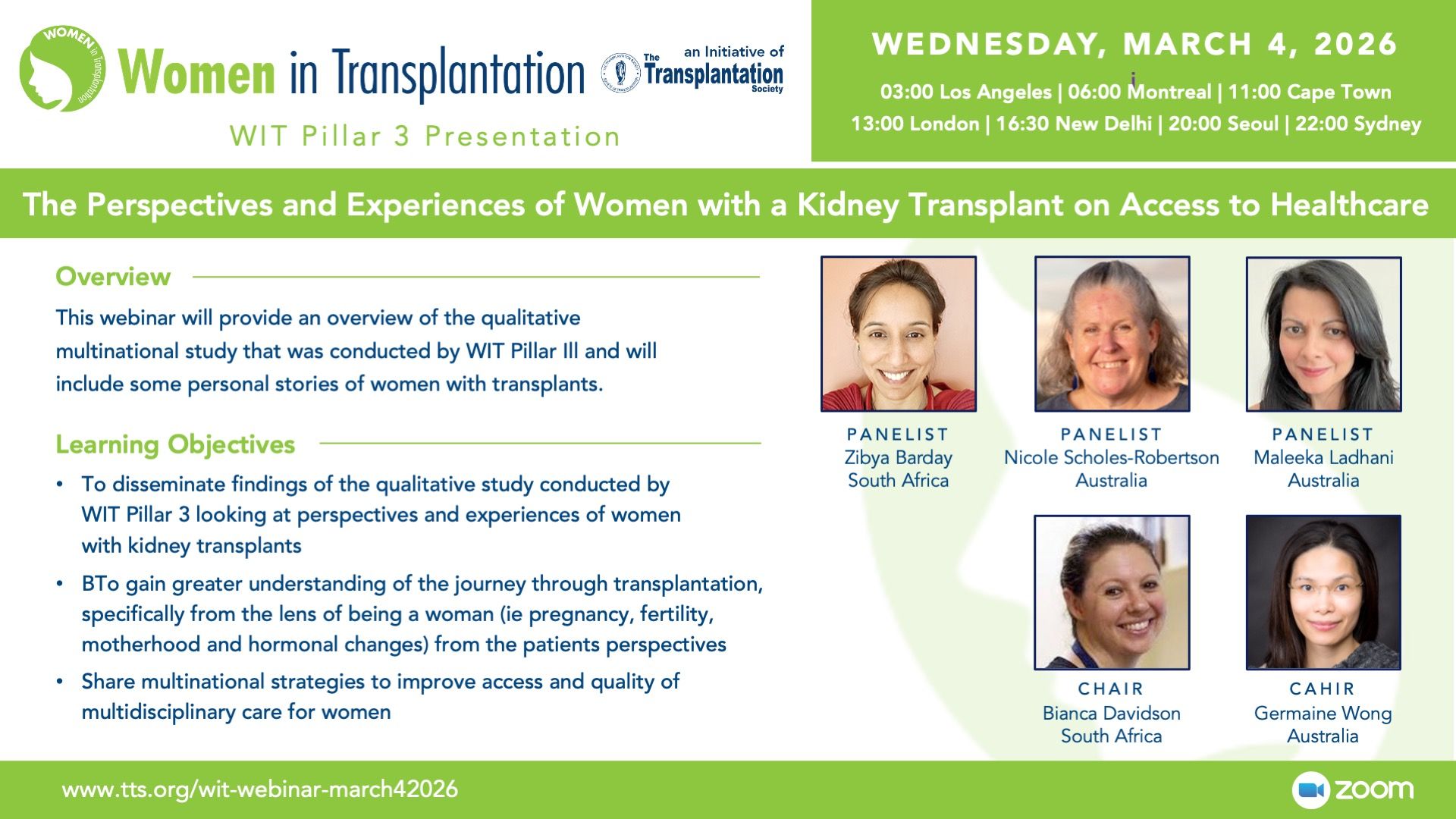
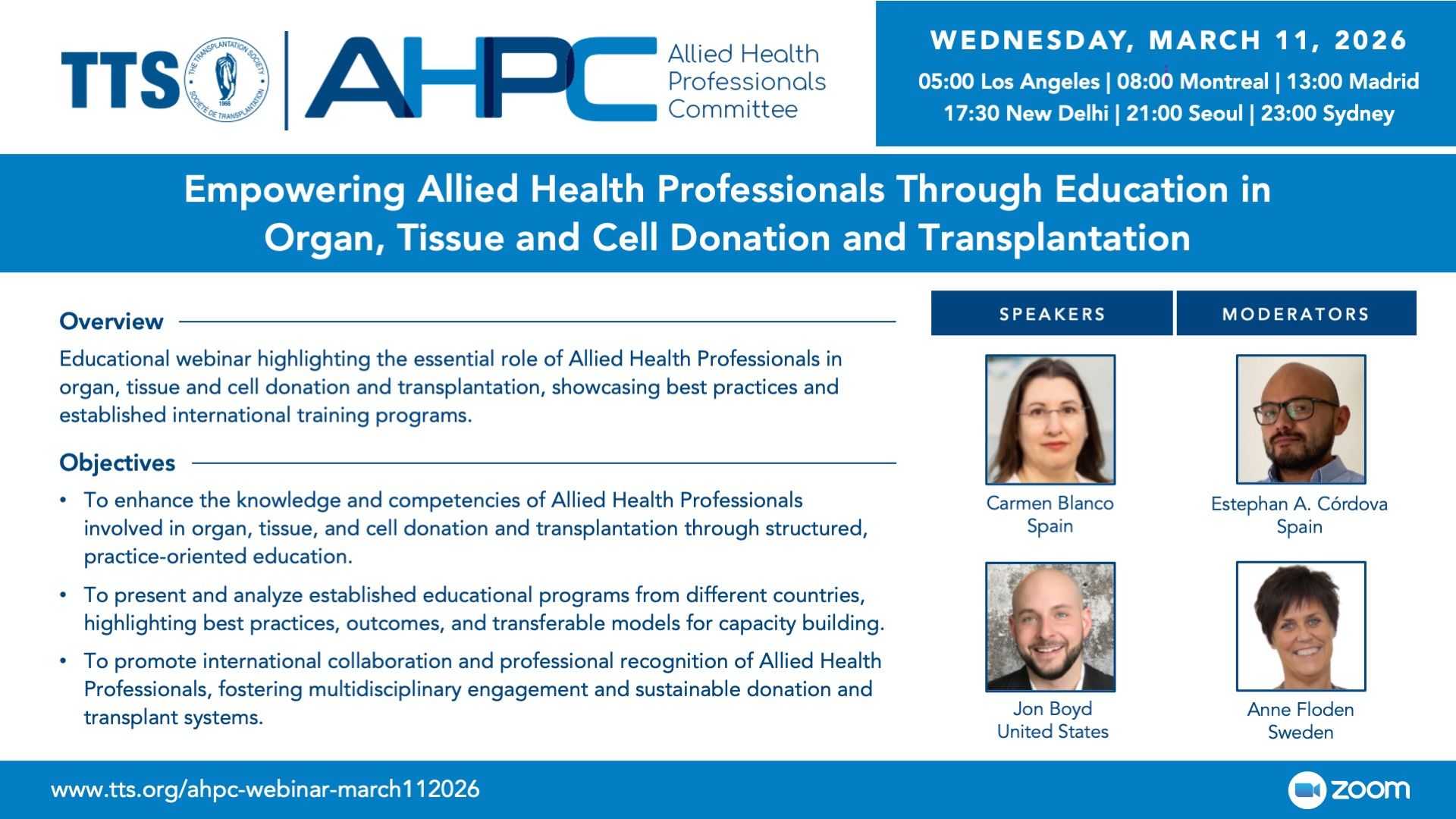
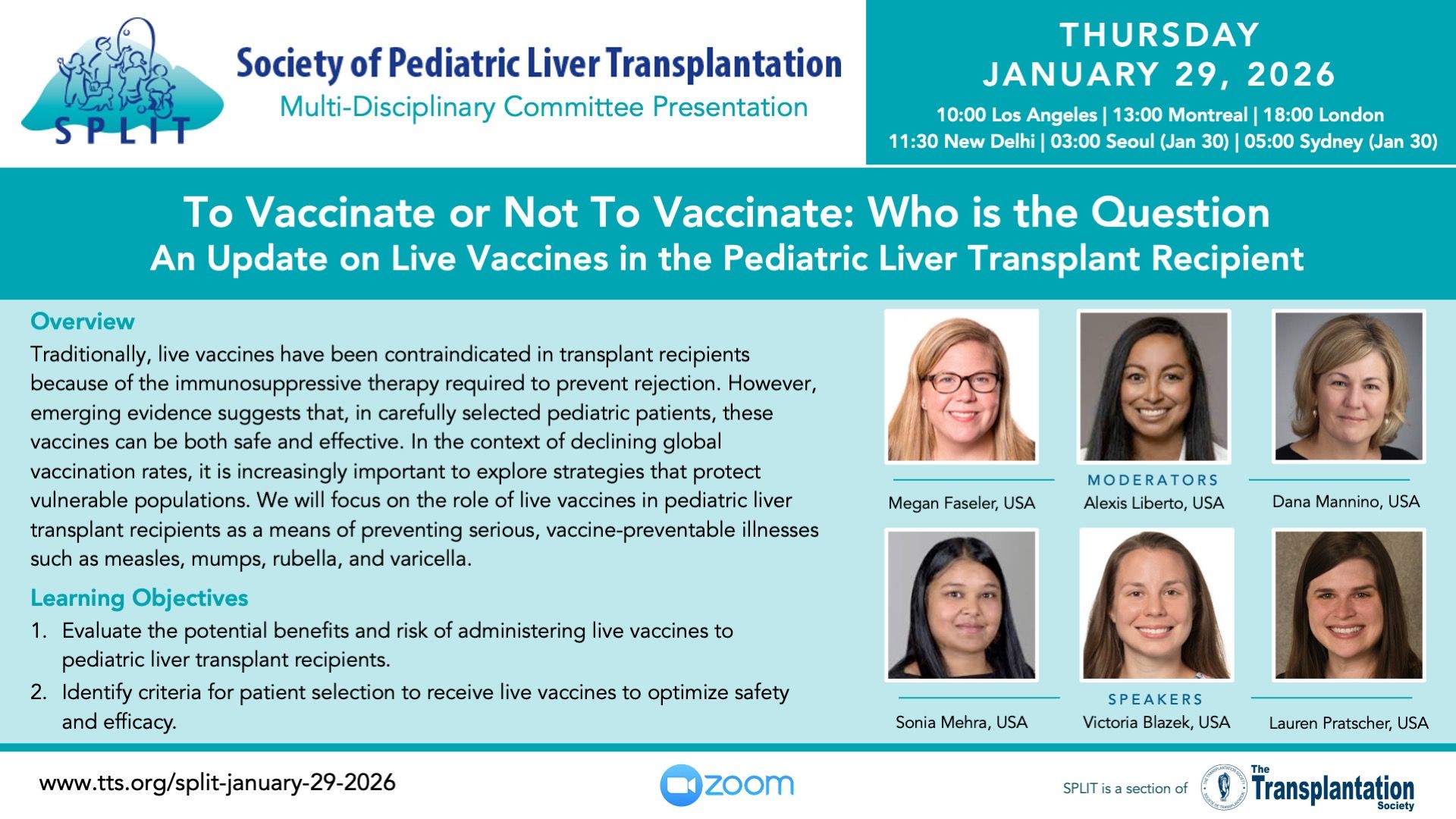
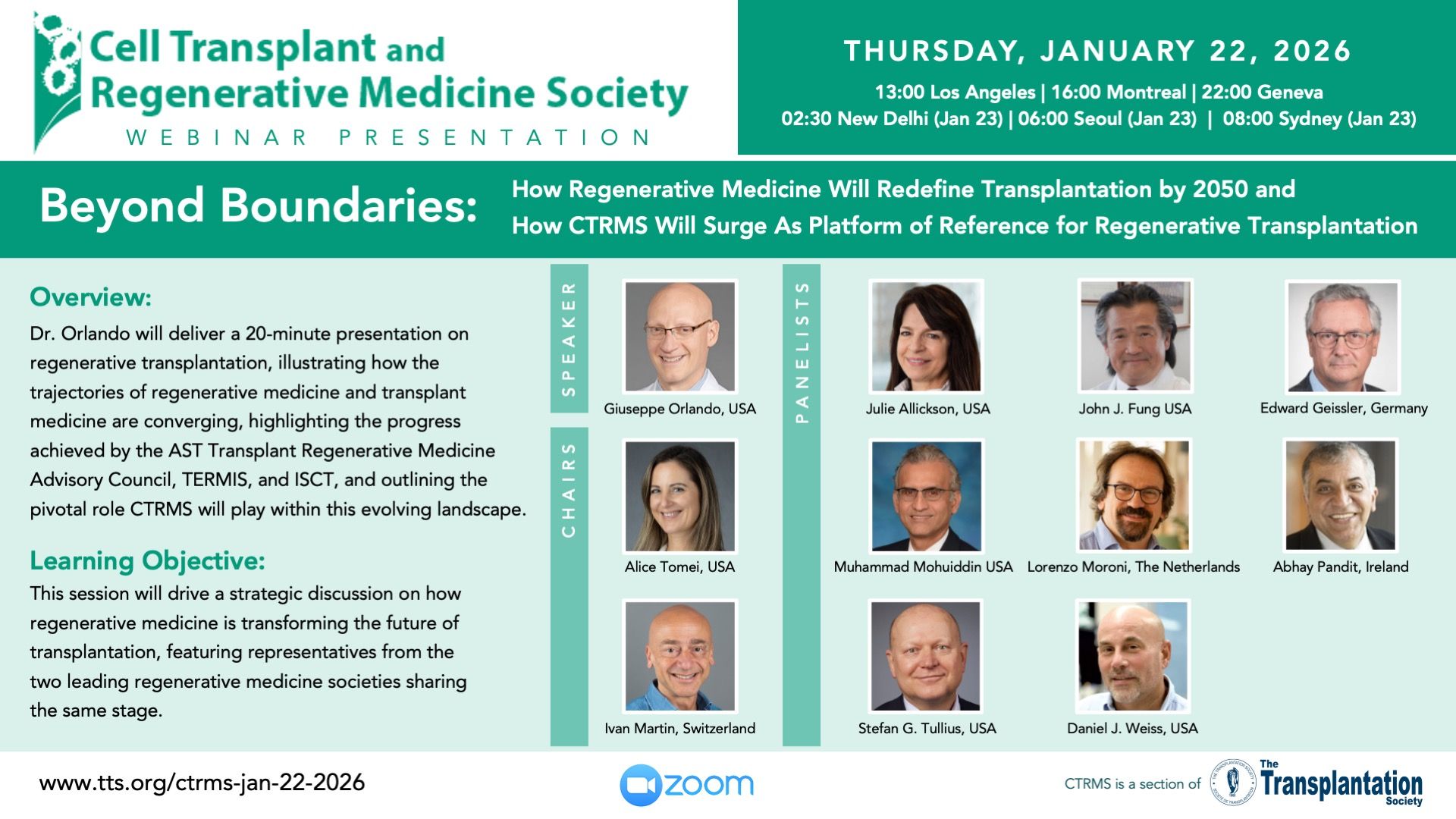
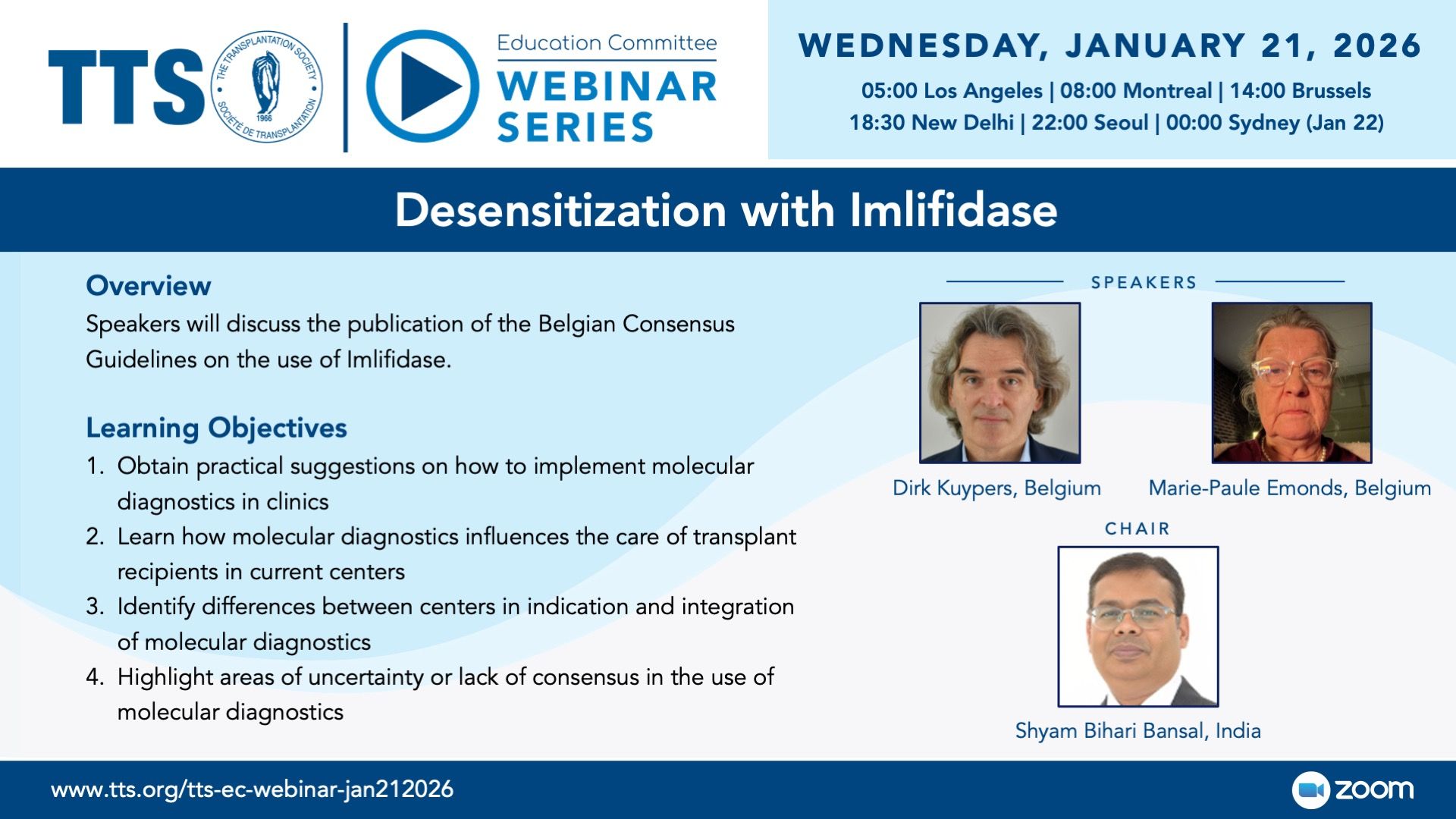
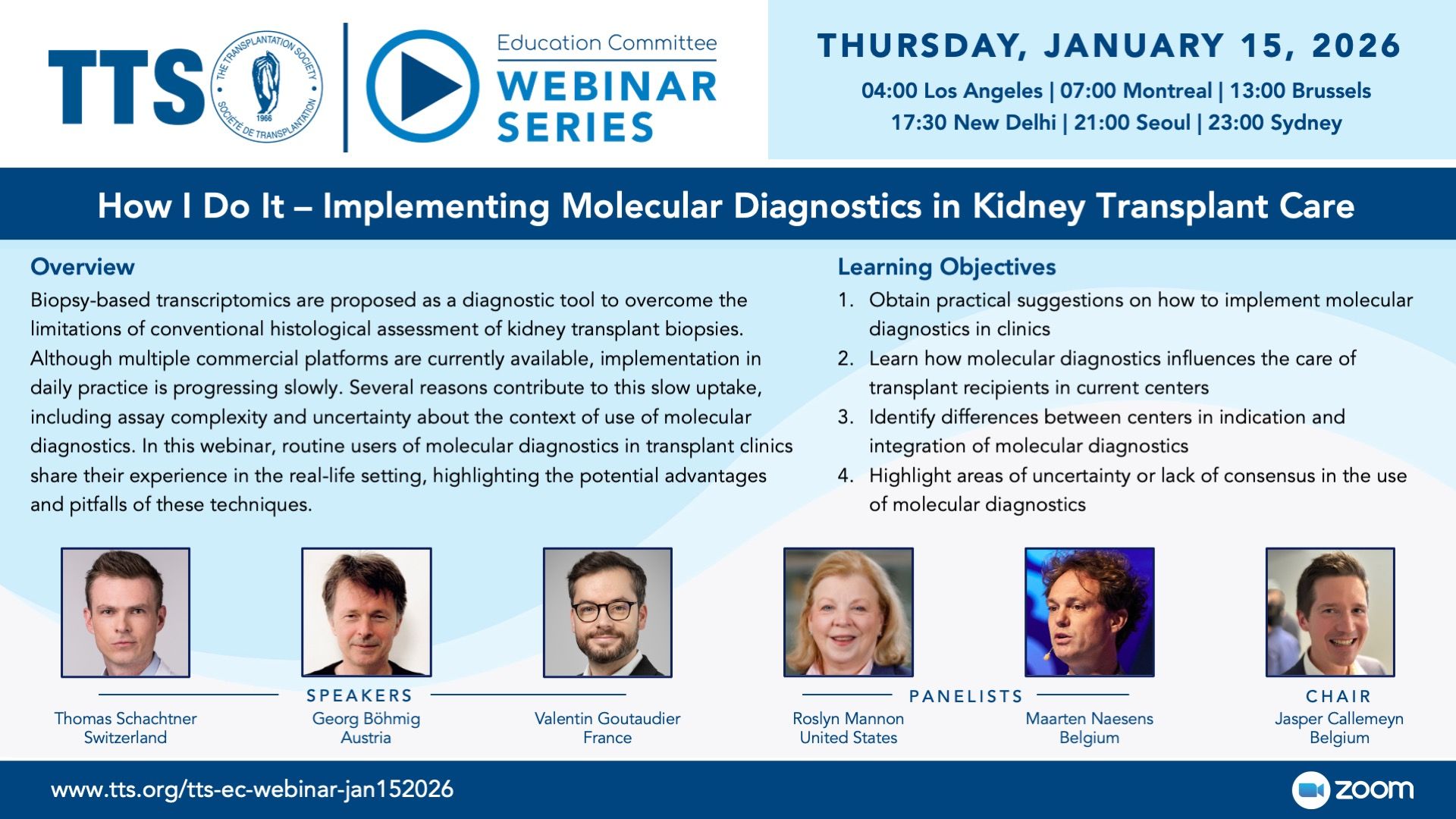
Upcoming Webinar Presentations
Research Grants Program - Now Accepting Notices of Intent

Notice of Intent Deadline: March 30, 2026
Full Application Deadline: May 1, 2026

To further promote equity and global research capacity, the top-ranked applicant from a low- or middle-income country (LMIC) who is not selected for a main Research Grant will be awarded a TTS LMIC Bridge Grant. This program is designed to strengthen proposals for future funding success for researchers in these regions.
As part of this initiative, recipients will also benefit from personalized mentorship through the TTS Research Mentor Program. Each Bridge Grant awardee will be paired with an experienced Senior TTS mentor from an established research program.
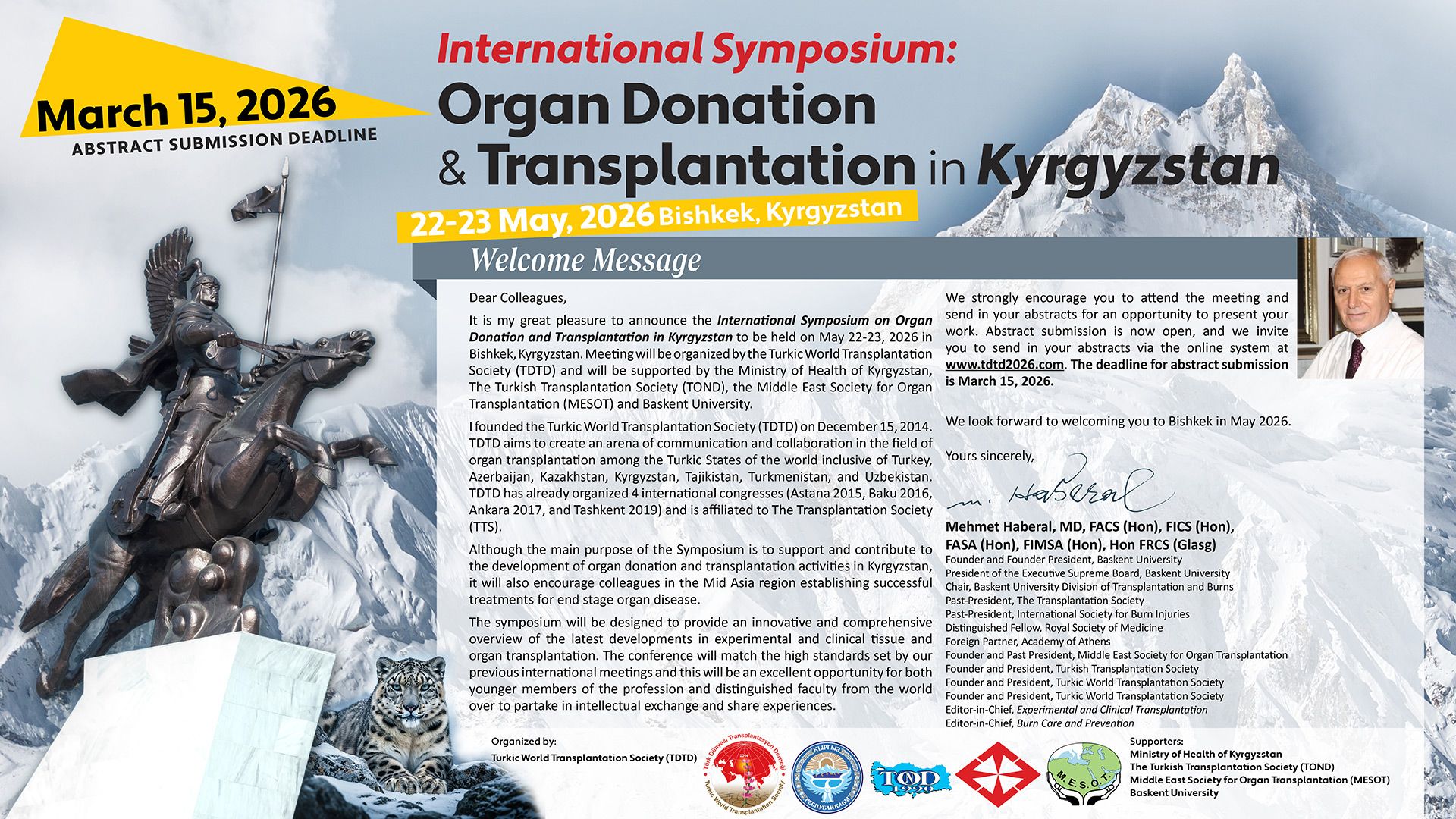
International Symposium on Organ Donation and Transplantation in Kyrgyzstan (TDTD 2026)
DICG & TTS @ WCN 2026 - Yokohama, Japan
ISN-DICG Joint Session: Organ Trafficking and Transplant Tourism — New Approaches for Prevention
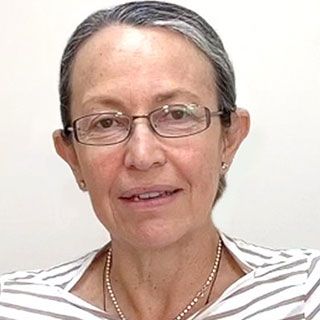
Mandatory Reporting of Suspicious Cases

Incentives to Reduce Organ Shortage
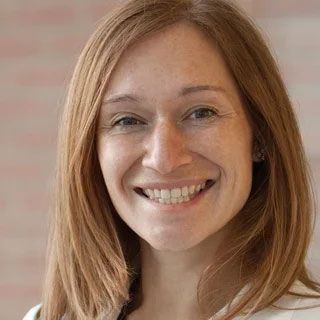
Addressing Inequities to Prevent Organ Trafficking and Transplant Tourism
ISN-TTS Joint Session
March 31 - 09:10 - 10:40

Understanding Gender Disparities in Kidney Transplantation - a Causal Inference Approach
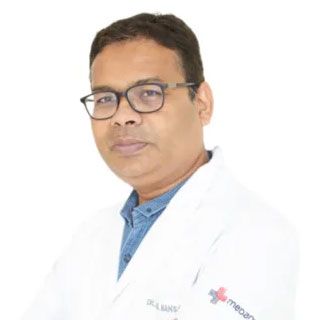
Pragmatic Medicine - Learning From the Indian Experience

Strategies to Help Kidney Transplant Recipients Navigate Through the Complex Medical System Using Patient Navigation
Reducing the Environmental Footprint in Transplantation
Contact
Address
The Transplantation Society
International Headquarters
740 Notre-Dame Ouest
Suite 1245
Montréal, QC, H3C 3X6
Canada
Используйте Вавада казино для игры с бонусом — активируйте промокод и начните выигрывать уже сегодня!